
Moving into a smaller home can change more than your daily routine. Less cleaning and fewer possessions may help some people feel more organized, although limited storage and privacy can also create stress. The key is designing a small space around your actual needs rather than assuming that downsizing automatically improves mental health.
These twelve ideas explore ways tiny living may support a calmer routine, with practical changes you can try whether you live in a tiny house or a small apartment. They are possibilities, not guaranteed mental-health outcomes.
1. The Visual Noise Finally Turned Down
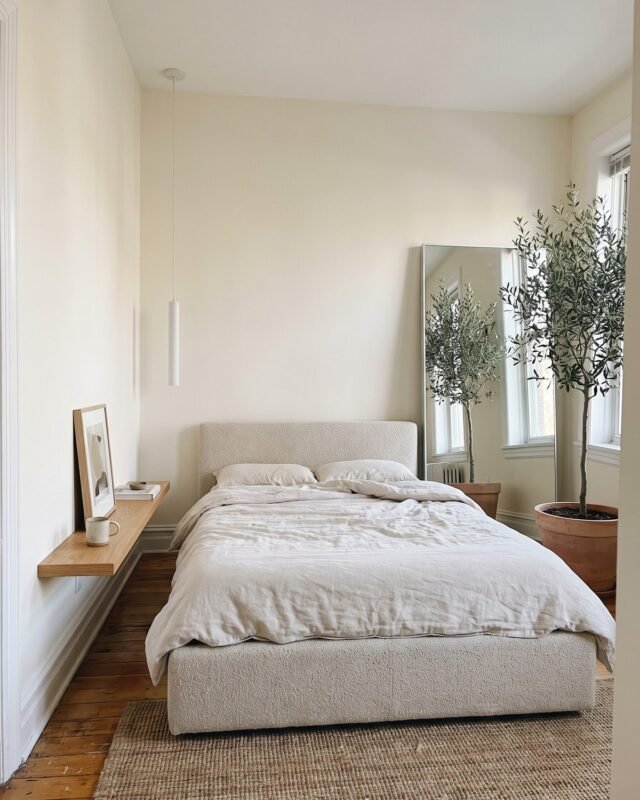
Mail on the counter, books beside the sofa, and chargers on every surface can make a small room feel busy. Start with one flat surface and remove anything you do not use every day. A tray for keys and a basket for papers can help keep the clutter from coming straight back.
Research backs this up: scientists at UCLA found that people who described their homes as cluttered showed stress patterns linked to chronic tension, while Princeton neuroscientists reported that visual clutter competes for our limited attention. You can read more about how disorganized homes increase stress in this research roundup.
In a tiny home, clutter is easier to notice, but it does not disappear on its own. Fewer surfaces help only when you give everyday items a place to go. If your place feels loud, start with these small space living hacks that keep every corner calm on purpose.
2. Mornings Got Quieter, and So Did I
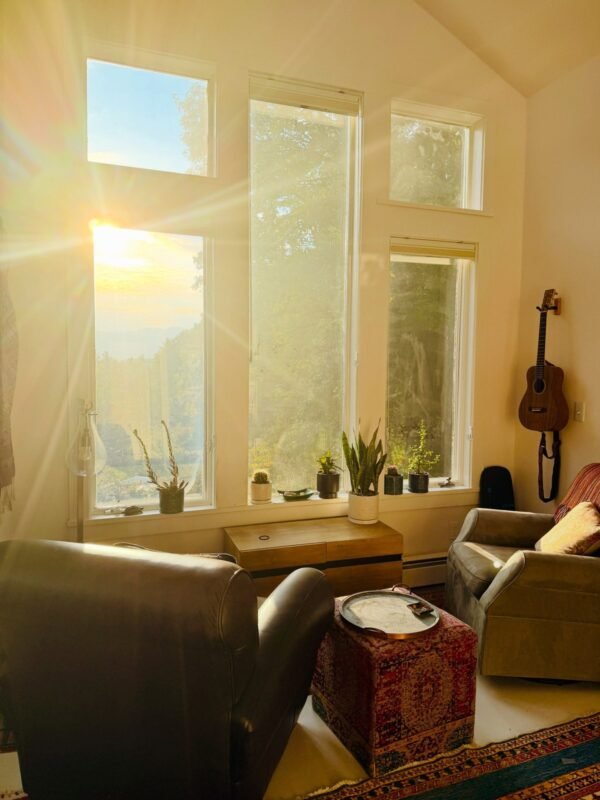
Morning light can make even a compact room feel welcoming. If possible, keep the window area clear and create a small spot for coffee, reading, or a few quiet minutes before work.
Try keeping a comfortable chair or cushion beside the brightest window. Spend ten minutes there before opening your phone, and leave your keys in one consistent spot so mornings involve less searching.
A predictable morning routine may help some people feel more organized, although it does not need to be elaborate. Try building a morning corner with ideas from these tiny living room ideas, even a single chair by the brightest window counts.
3. Make Your Bedroom Easier to Wind Down In
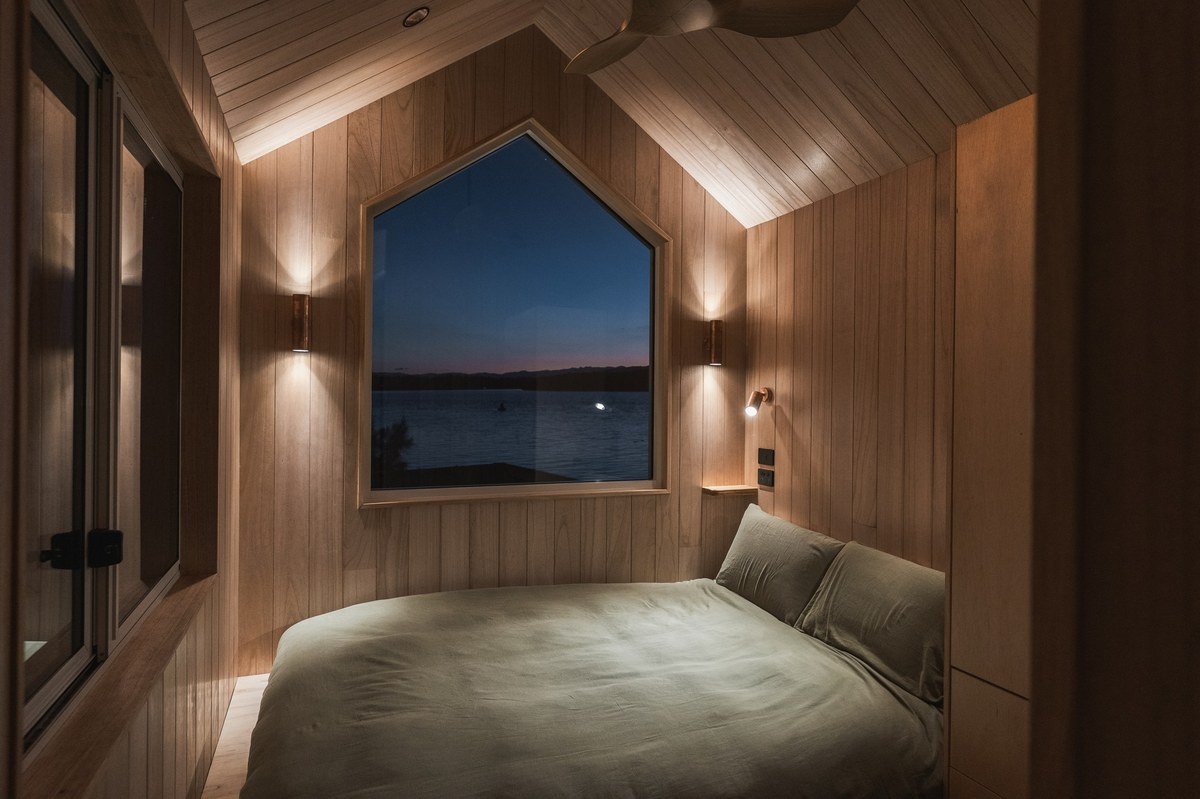
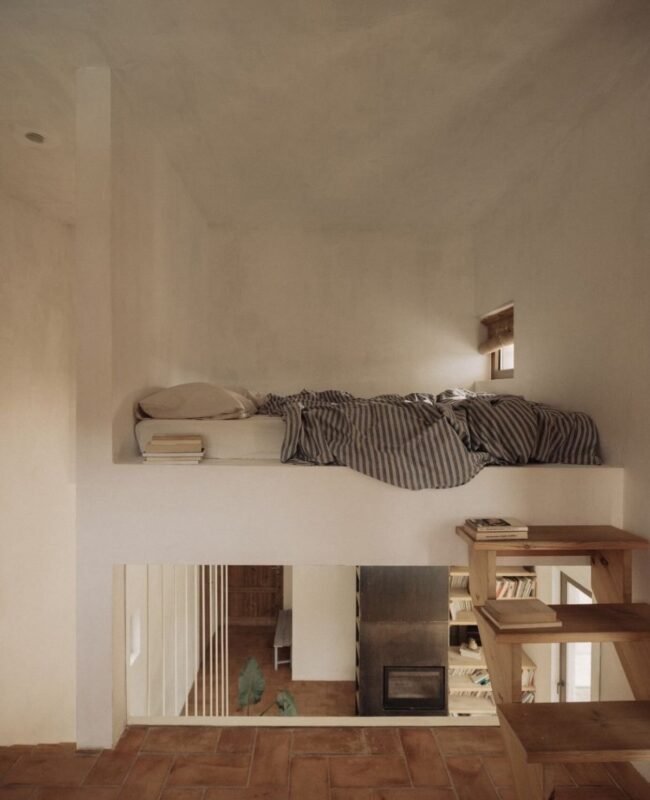
A small bedroom works best when it has a clear purpose. Keep the bedside area simple, use a warm reading lamp, and move work supplies out of sight at night. If your desk shares the room, a basket or curtain can help create a visual boundary between work and rest.
A simpler bedroom may make it easier to maintain a consistent wind-down routine, although sleep quality depends on many factors. A bedroom that does only one job is a gift to an anxious mind. Keep the wind-down simple too, a warm shower and dim lights, which is easy when your tiny bathroom ideas are all within arm’s reach. Small space, deep sleep.
The goal is to create a restful space, not to promise better sleep from downsizing alone.
- Keep a warm bedside lamp within reach.
- Put work equipment away before bedtime.
- Keep the route to the door clear and safe.
4. Spend Less Time on Everyday Cleaning
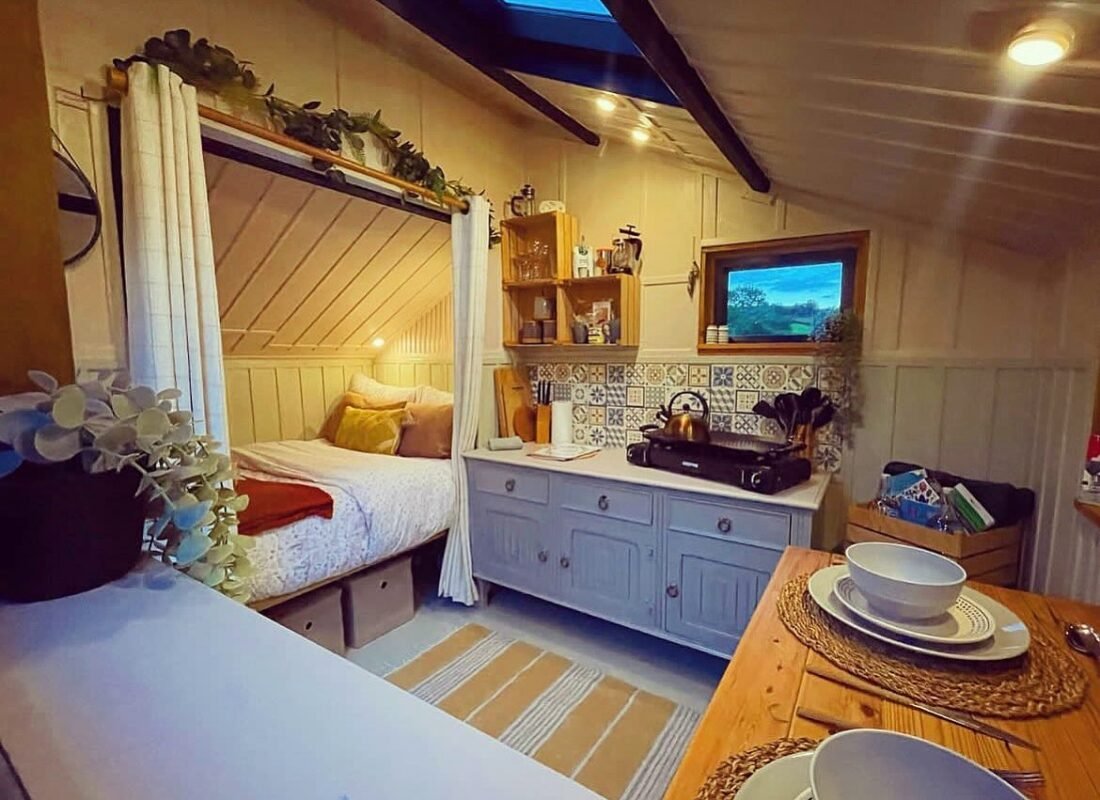
A small space can be easier to reset when cleaning supplies are within reach and everyday items have designated homes. Rather than saving every task for Saturday, try a quick daily tidy-up. A smaller floor plan can mean fewer surfaces to clean, but the time required still depends on the layout, household size, and daily habits.
When there is less to clean, you actually do it, and then it is done.
The mental payoff is bigger than the time saved. There is no looming “I should really deep-clean the spare room” hanging over your Sunday. Weekends belong to you again. The trick is giving everything a home, and these tiny house storage hacks make twenty-minute resets genuinely possible.
5. Add a Little Greenery Without Losing Space
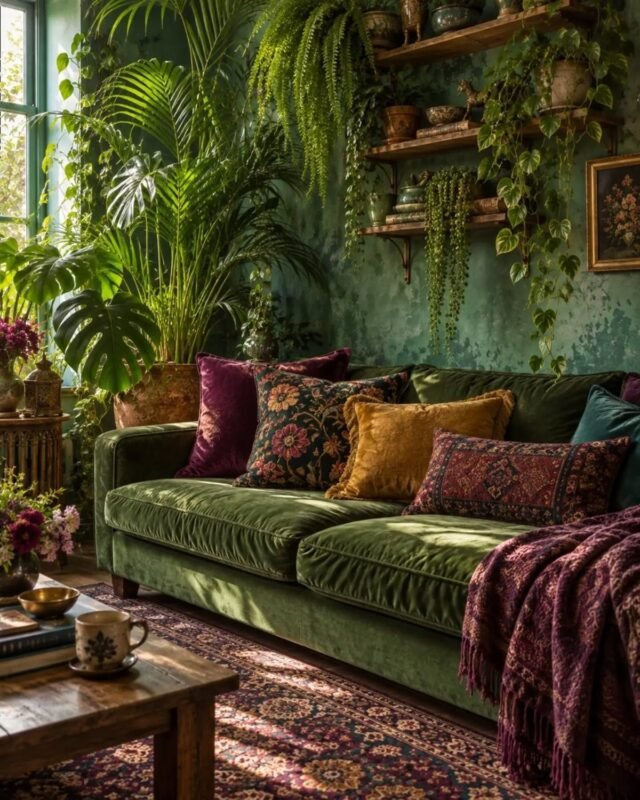
You do not need an indoor jungle to make a tiny room feel welcoming. A pothos on a shelf or a snake plant near a bright window can add color without taking up much floor space. Choose plants that suit the light you actually have.
Plant care can become an easy weekly ritual. Check the soil before watering, wipe dust from leaves, and rotate pots occasionally for even growth.
Plants also make a small space feel bigger and softer at the same time, which is a neat trick. If you have even a sliver of outdoor access, these tiny living outdoor space ideas show how to blur the line between inside and out. Start with one forgiving plant. You will not stop at one.
6. Smaller Bills Meant a Quieter Kind of Worry
Housing costs can be a major source of stress, and downsizing may reduce some recurring expenses. But the financial outcome depends on the purchase price, financing, land or lot fees, insurance, maintenance, and local utility costs. Heating costs may be lower in a well-insulated small home, but utility bills depend on climate, insulation, energy rates, and heating equipment. There is simply less to break, less to insure, less to heat and cool.
If the numbers work in your favor, lower recurring costs can make a household budget easier to manage.
A smaller home does not automatically mean lower living costs.
| Cost | What to compare before downsizing |
|---|---|
| Housing | Rent or mortgage plus moving costs |
| Utilities | Insulation, climate and energy rates |
| Storage | Whether off-site storage adds a monthly fee |
| Maintenance | Repairs, insurance and building fees |
Compare rent or mortgage payments, utilities, insurance, maintenance, and storage fees before deciding whether downsizing will actually free up room in your budget.
Building some of your own pieces helps even more, and these DIY tiny living furniture ideas prove you do not need a big budget for a beautiful small home.
7. Keep Only What Earns Its Space
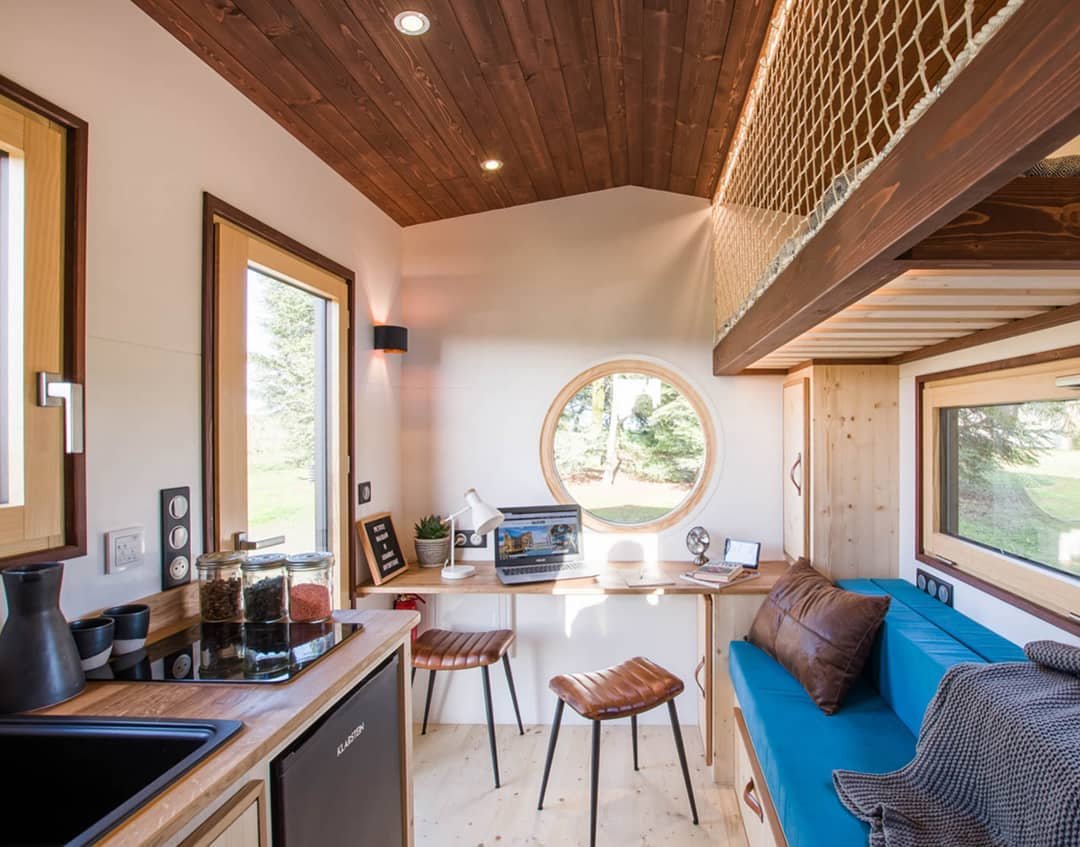
In a small home, every rarely used appliance or duplicate item competes with something you reach for daily. Before buying storage furniture, sort what you already own into keep, donate, and relocate piles. Measure the available space before putting anything back.
A smaller wardrobe can make getting dressed quicker when clothes are easy to see. The same idea works in the kitchen: keep frequently used tools accessible and store seasonal pieces separately. You do not have to become a minimalist to make a small room function better.
Renters can do this too, and these rental-friendly tiny living ideas show how to make even a small rental feel intentional.
8. Nature Moved a Whole Lot Closer
A window can become the focal point of a tiny room. Keep bulky furniture from blocking daylight, and place a chair where you can enjoy the view. Even a modest window feels more inviting when the surrounding area is uncluttered.
A view of trees, birds, or changing weather can add interest without taking up indoor space.
Seeing greenery or daylight may make a room feel more pleasant, but the effect varies from person to person. You do not need a yard for this, a window with a view of one tree is enough. If you truly have no green in sight, these tiny living no-yard ideas bring nature inside in clever ways.
Look out the window once a day on purpose. It counts.
9. Stop Comparing Your Home to Bigger Spaces
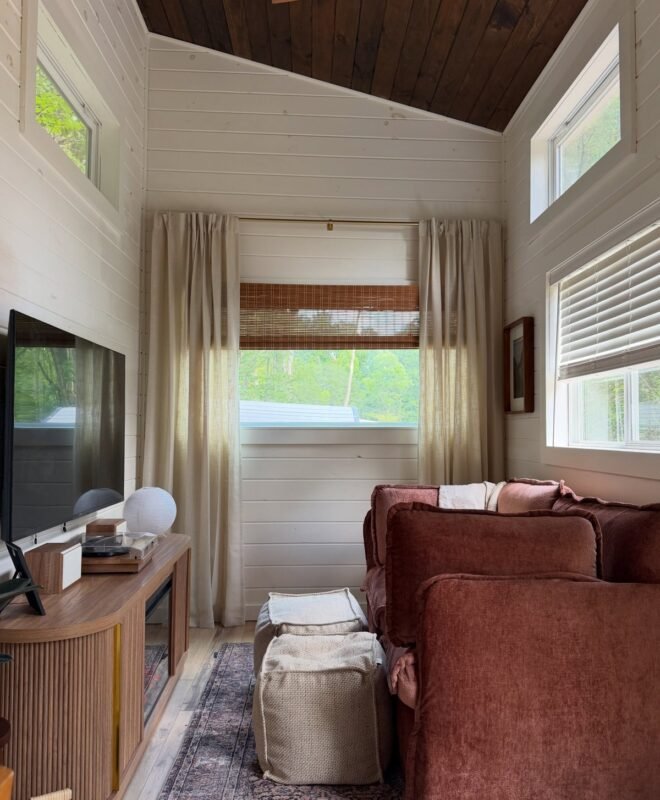
It is easy to compare a compact apartment with larger homes online. Instead, decide what matters most in your own space: a comfortable place to sit, a usable kitchen, or a desk with good light. A room that supports your routine is more useful than one designed only for photos.
Try writing down three things your home already does well and one thing you would like to improve.
- Pick one daily frustration, such as crowded countertops.
- Measure the area before buying organizers.
- Try a low-cost change for a week before investing more.
That gives you a practical decorating plan without turning your space into a competition.
If you are starting small, whether by choice or budget, these dorm room tiny living hacks are proof that tiny spaces can feel completely your own. Enough is a wonderful place to live.
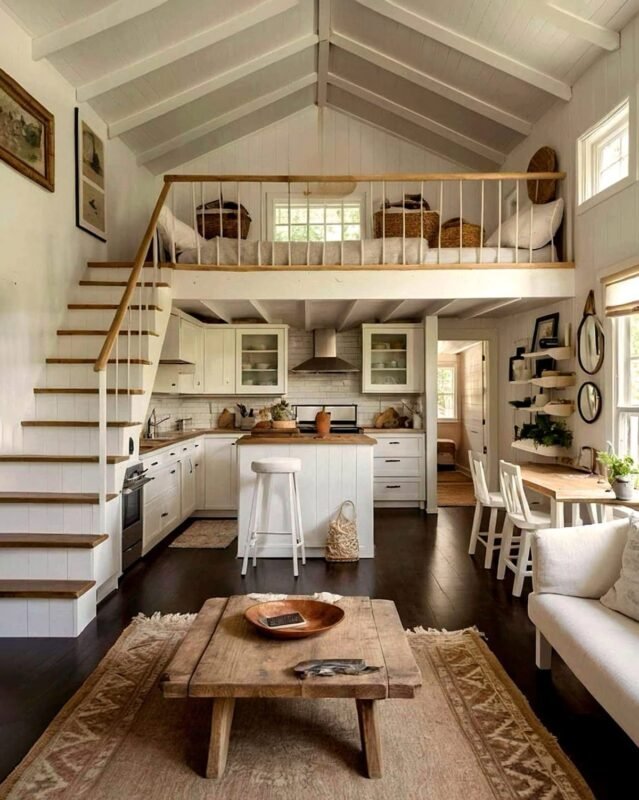
10. Cooking Turned Into a Calm Ritual
A compact kitchen can make cooking easier when the most-used tools are within reach. Keep one clear prep area, store pans near the stove, and choose recipes that use fewer dishes. If counter space is tight, a fitted cutting board over the sink can add temporary workspace.
Small kitchens also nudge you toward simpler meals, which turn out to be the ones you actually crave. A simple setup you built yourself makes it even better, and these DIY tiny living furniture ideas include compact kitchen solutions that keep everything flowing. Light a candle, put on music, stir something. That is self-care.
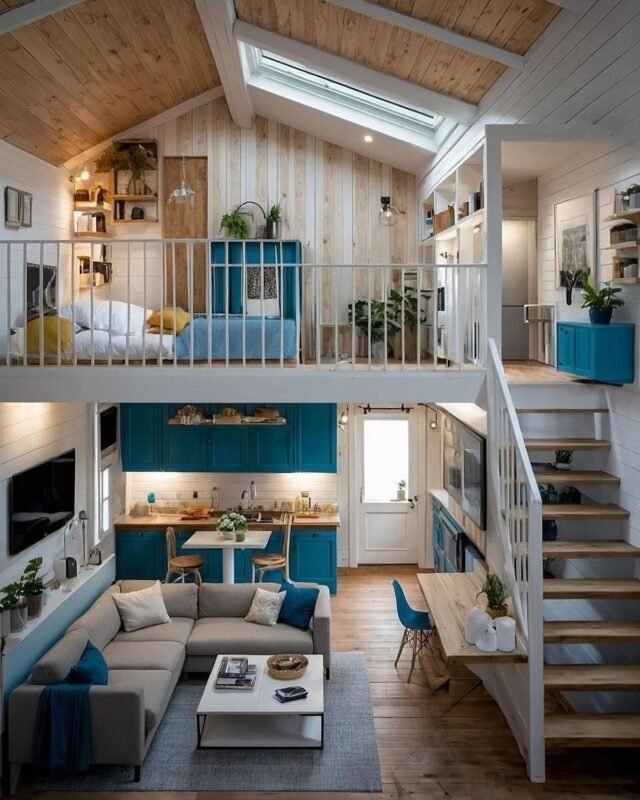
11. Having People Over Got Easier, Not Harder
Hosting in a tiny home takes a little planning, but it can still feel comfortable. Limit the guest count to the seats you actually have, clear a surface for drinks, and use folding stools when needed. A relaxed gathering matters more than a perfectly styled room.
Small gatherings in a small space feel intimate in the best way. Two friends, good food, everyone within laughing distance. Boundaries got healthier too: when your home is small, you naturally invite with intention instead of obligation. For making a compact living room guest-ready, these tiny living room ideas keep things welcoming without the stress.
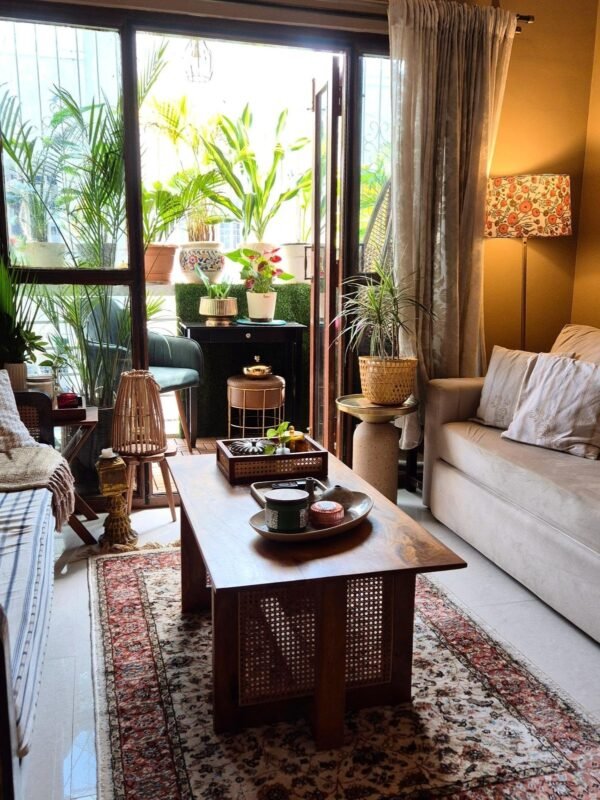
12. Home Finally Feels Like an Exhale
A small home can feel welcoming when there is a clear place to unwind. Try a comfortable chair, a warm lamp, and a basket that keeps everyday clutter out of sight. These small choices make a room easier to use at the end of a long day.
The aim is a space that feels comfortable for your routine, not a perfectly minimalist room.
That feeling is the real reason tiny living stuck for me, more than the money saved or the clutter gone. A home should lower your shoulders when you walk in. If yours does not do that yet, start small, literally.
These small space living hacks are a gentle place to begin reshaping your space around your peace.
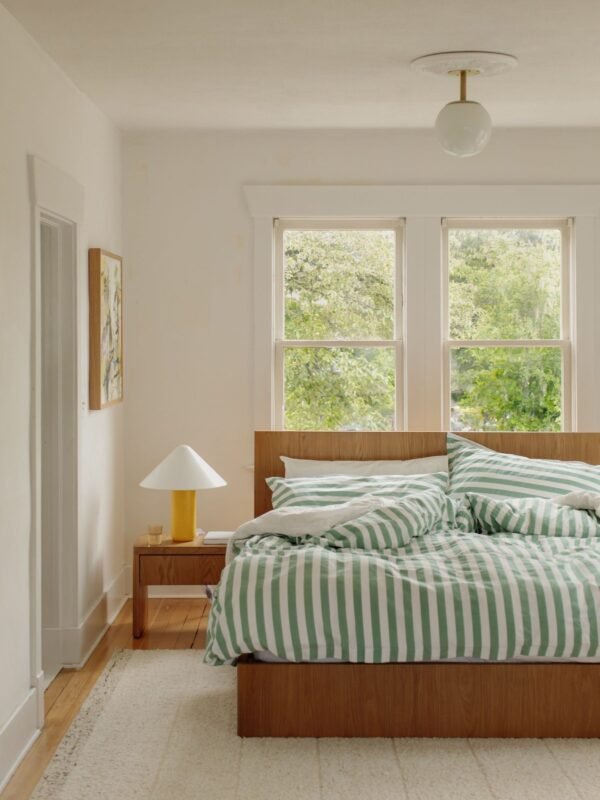
Tiny living is not a treatment for mental-health concerns, and it will not suit everyone. But practical changes such as reducing clutter, improving storage, and creating a restful corner can make daily routines easier in many homes.
If your mind feels crowded, sometimes the kindest thing you can do is give it a smaller, calmer room to live in.