
A tiny house kitchen has to do the same job as a full-size one, just in a quarter of the space. That sounds impossible until you see how clever these small cooking spaces can be. Every inch gets a purpose, every cabinet earns its place, and the result is often more pleasant to cook in than a sprawling kitchen where everything is a ten-step walk away.
These 18 ideas come from real tiny homes and small apartments where people cook real meals every day. Pick the ones that fit your space and budget.
1. Mount a Fold-Down Table on the Wall
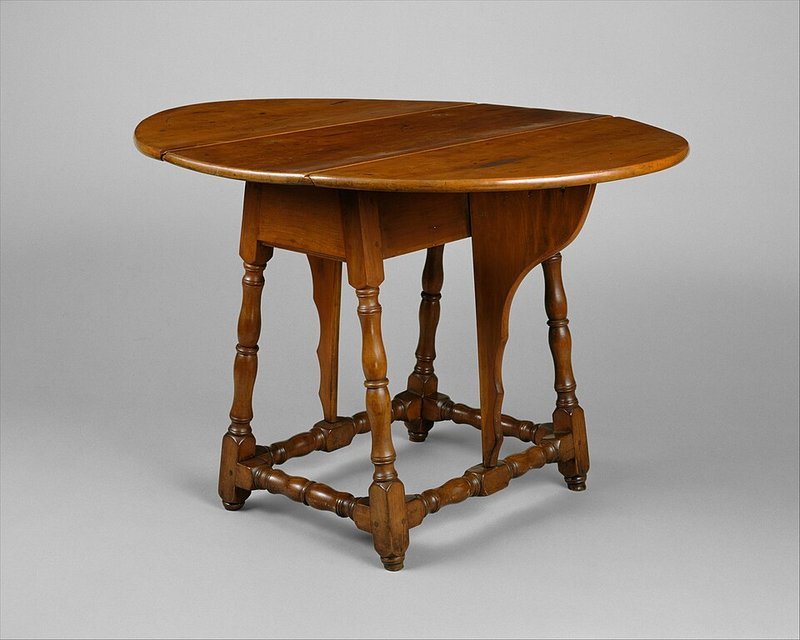
Counter space disappears fast when your kitchen is barely wider than your armspan. A wall-mounted drop-leaf table gives you a prep surface when you need one and vanishes when you don’t. Choose brackets and wall fixings rated for the table’s actual load, and follow the manufacturer’s installation instructions. The wall structure matters just as much as the bracket rating, especially when the surface will be used for food preparation.
When the table folds flat against the wall, you get your walkway back. Some tiny homeowners mount theirs at counter height so it doubles as extra prep space, then lower versions work as a dining spot for two.
Try this: mount the table near an outlet so you can run a small appliance on it without cords stretching across the kitchen.
2. Run Open Shelving Instead of Upper Cabinets
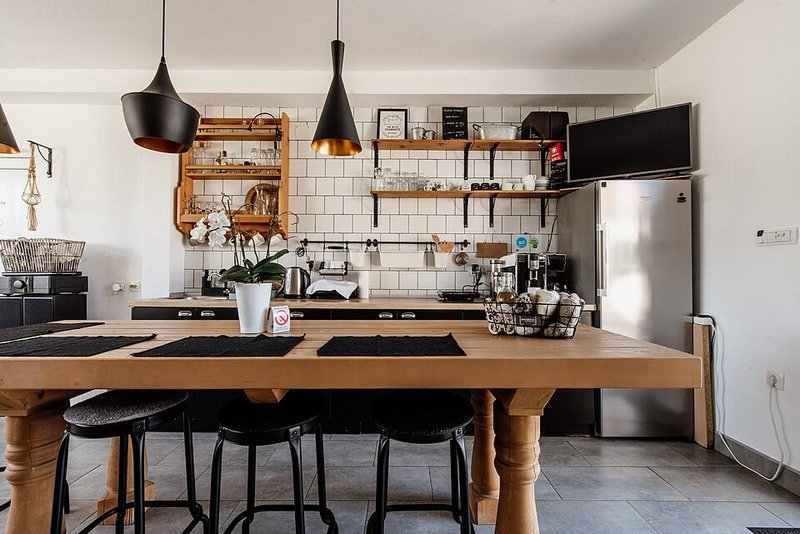
Upper cabinets in a tiny kitchen eat visual space and make the room feel like a cave. Open shelves keep things airy while holding just as many dishes and jars. The trick is keeping them tidy, since everything is on display.
Stick to everyday items you actually reach for. A stack of white bowls, a row of glass jars with dry goods, and a few mugs look intentional rather than cluttered. If open shelves feel too exposed, try shelves with a small lip so nothing slides off in a moving tiny house on wheels.
For more ways to furnish a compact home without bulky pieces, see these DIY tiny living furniture ideas.
3. Choose a Single-Bowl Deep Sink
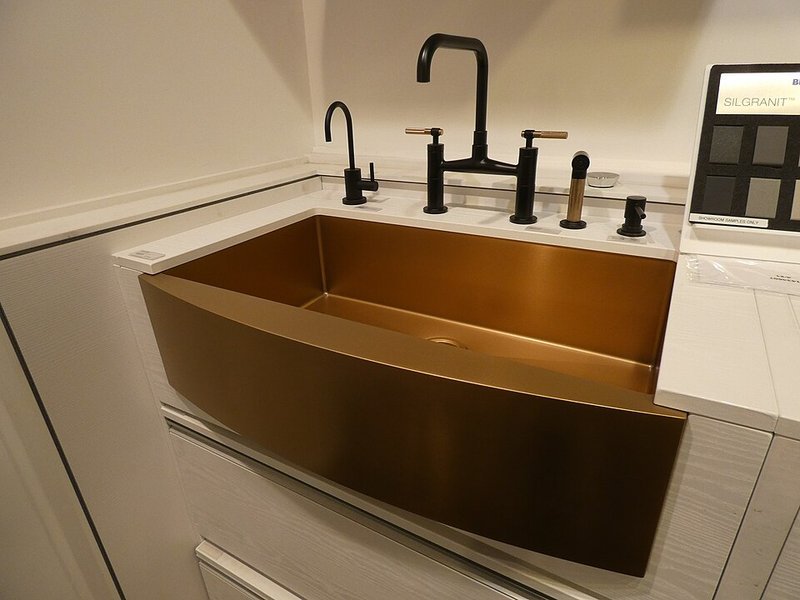
A double sink sounds useful until you realize each bowl is too small to wash a sheet pan. One deep single bowl handles big pots, stacks of dishes, and even a small dish rack inside it. You gain back several inches of counter on each side too.
Undermount installation keeps the rim flush with the counter so you can sweep crumbs straight in. Pair it with a pull-down faucet and you have a setup that works harder than sinks twice its size.
4. Use the Inside of Cabinet Doors
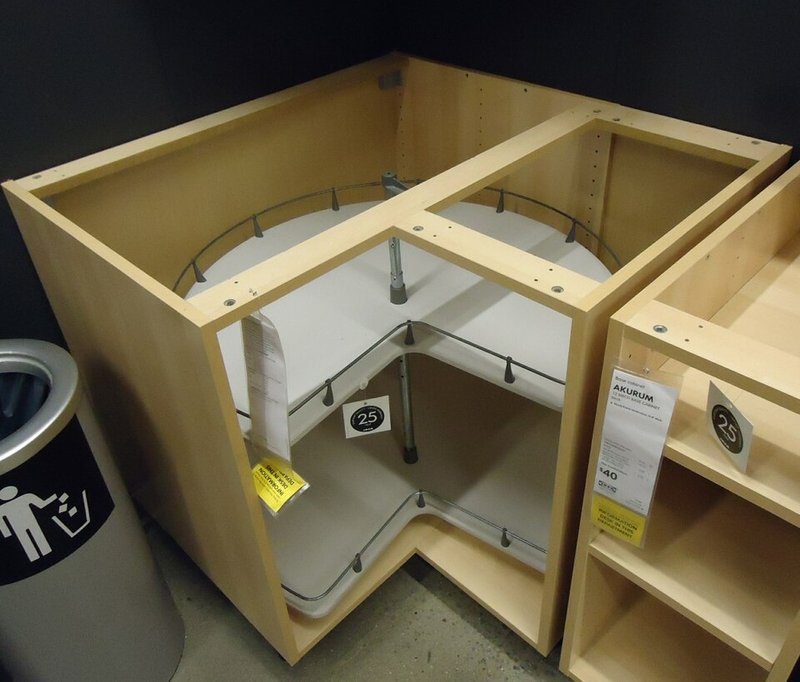
The backs of cabinet doors are free real estate most kitchens waste. Mount slim racks for spices, wrap holders, or cutting boards right inside the doors. Everything stays hidden but within arm’s reach.
Measure your door clearance first so racks don’t collide with shelves when the door closes. Magnetic strips work beautifully here for spice tins, and a simple file organizer screwed to the door holds wraps and foil boxes upright.
Try this: line the door interior with cork board and pin up your most-used recipes where only you can see them.
5. Pick Appliances That Do Double Duty
In a tiny house kitchen, every appliance must justify its footprint. A toaster oven that air fries, a pressure cooker that slow cooks, or a blender with a food processor attachment each replace two or three single-use gadgets.
Before buying anything new, audit what you actually use weekly. Most tiny homeowners find they need a good knife, one pot, one pan, and two or three multitasking appliances. Everything else is clutter wearing a disguise.
These affordable tiny house essentials cover the multitasking gear that earns its place in small kitchens.
6. Install a Pull-Out Pantry
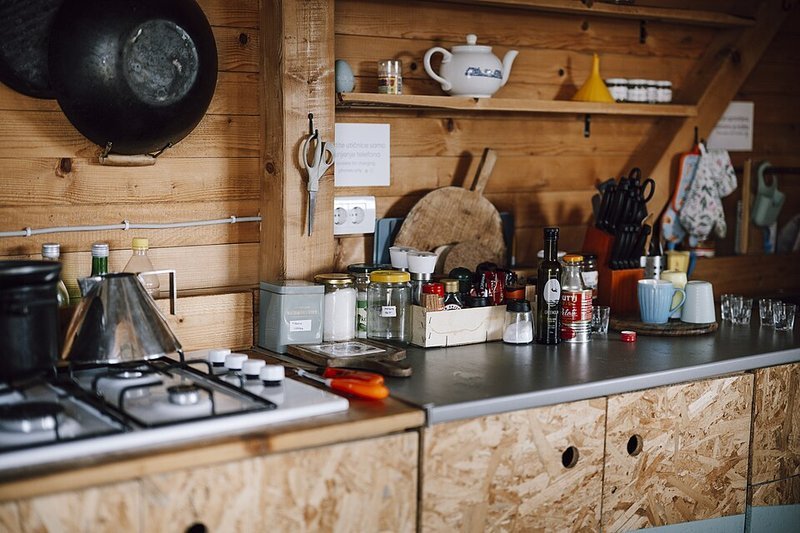
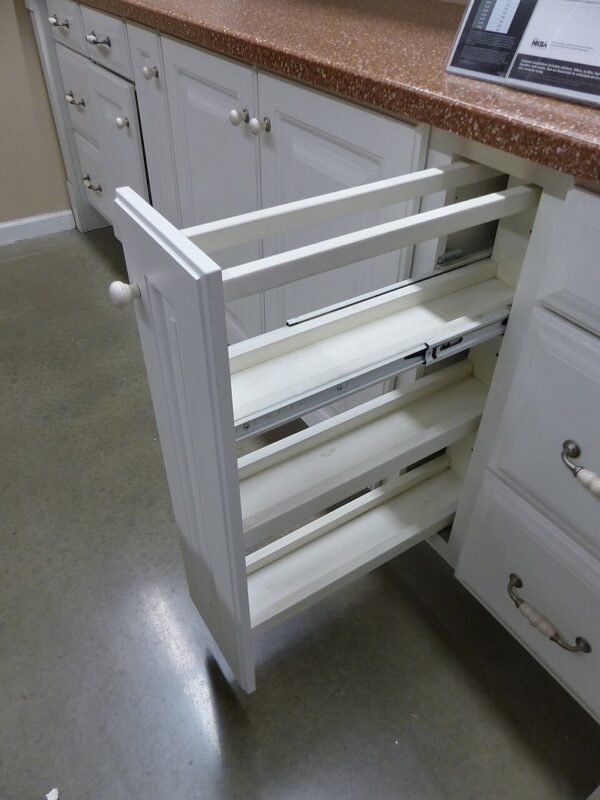
A gap of just six inches between the fridge and the wall can become a full pantry with a pull-out tower. These slim rolling shelves hold cans, bottles, and boxes in a single-file line so nothing hides in the back.
You can buy ready-made pull-out pantries or build one from plywood and full-extension drawer slides. Either way, label the shelves lightly in pencil so everyone in the house puts things back where they belong.
7. Hang Pots from a Ceiling Rack
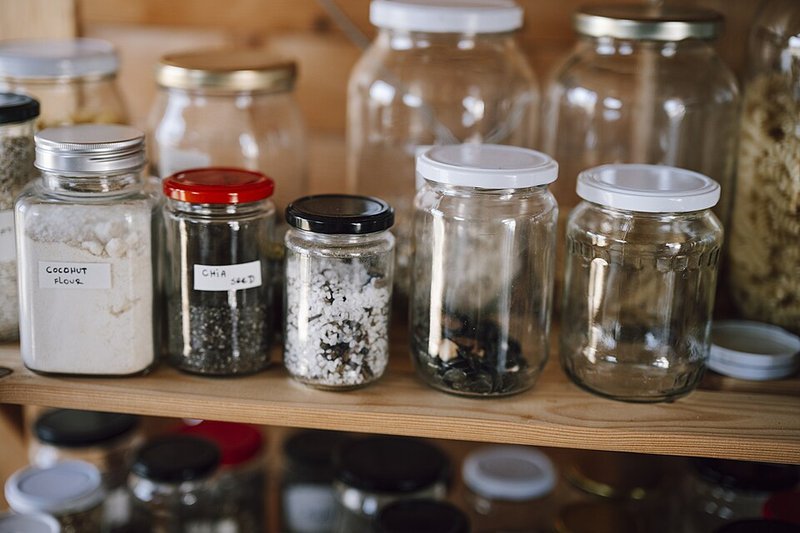
Cabinet space is precious, so let the ceiling do some work. A sturdy pot rack frees up an entire lower cabinet while keeping your most-used cookware visible and easy to grab. Cast iron skillets and stock pots are perfect candidates.
Anchor the rack into ceiling joists, not just drywall, especially in a tiny house on wheels that moves. Leave enough clearance that tall household members don’t bonk their heads, and hang pots by size with the biggest in the middle for balance.
8. Go Vertical with a Pegboard Wall
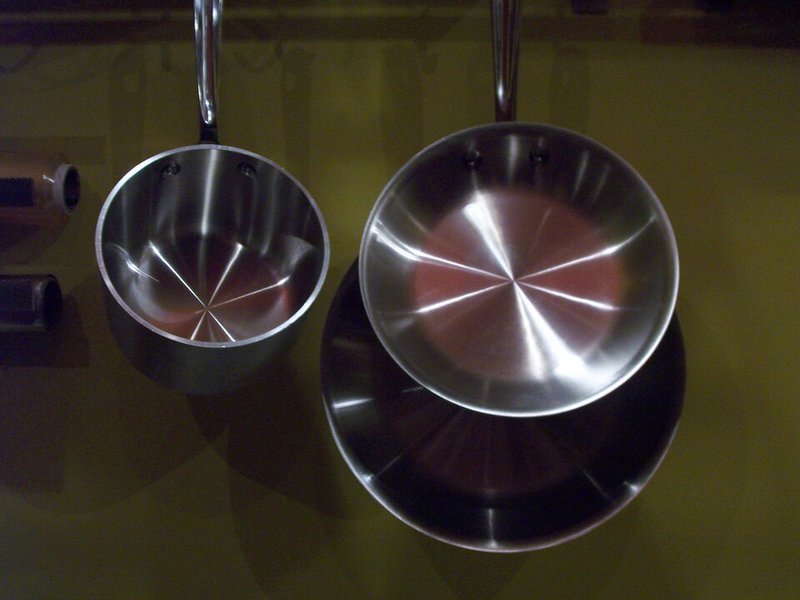
One blank wall can hold your entire cooking toolkit. A pegboard with hooks organizes utensils, pans, measuring cups, and even small shelves for spices. Rearrange the hooks whenever your cooking habits change.
Paint the pegboard the same color as your wall and it blends in beautifully. In a rental or a tiny house you plan to sell, use a freestanding pegboard panel that leans against the wall so you leave no holes behind.
Renters will appreciate these rental-friendly tiny living ideas that add storage without permanent changes.
9. Add a Rolling Kitchen Cart
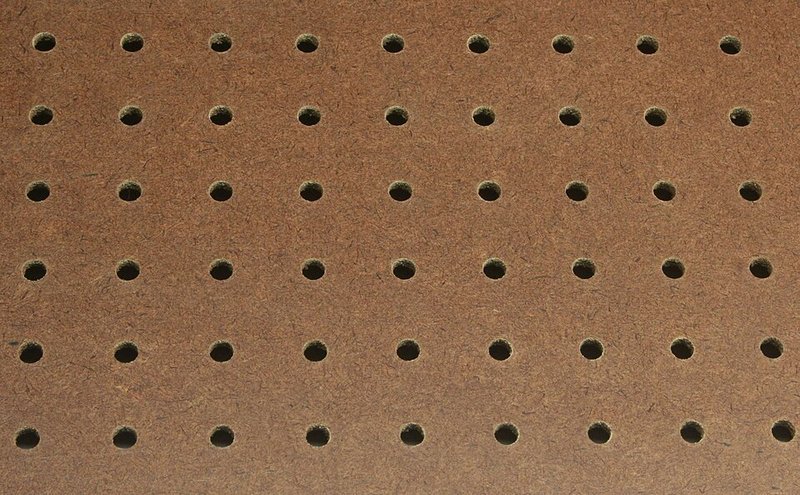
When cabinets run out, a slim rolling cart becomes your overflow pantry, coffee station, or prep surface. Wheel it against the wall during cooking and pull it out when you need it. The best carts are narrow enough to slide into gaps between furniture.
Top it with a butcher block panel and you gain a mobile cutting station. Choose one with locking casters so it stays put on uneven tiny house floors.
Try this: dedicate one cart shelf to a “cooking caddy” with oil, salt, pepper, and your favorite spices so it travels with you to the stove.
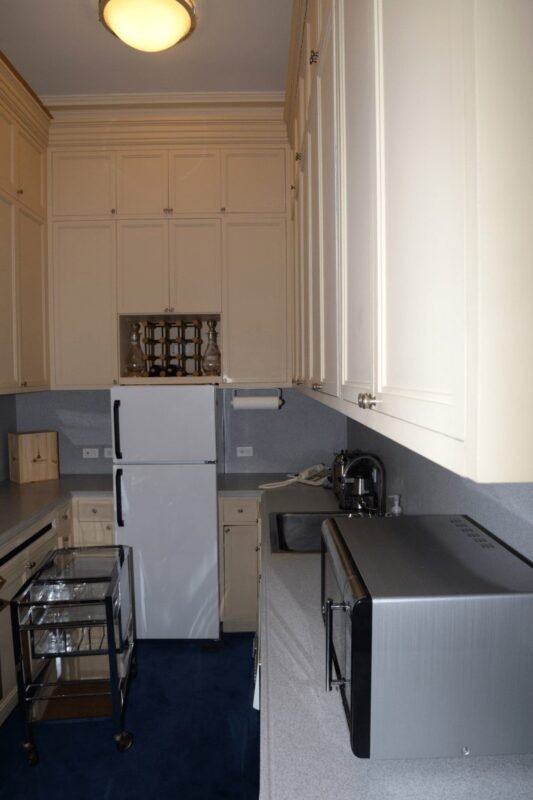
10. Light Every Work Zone
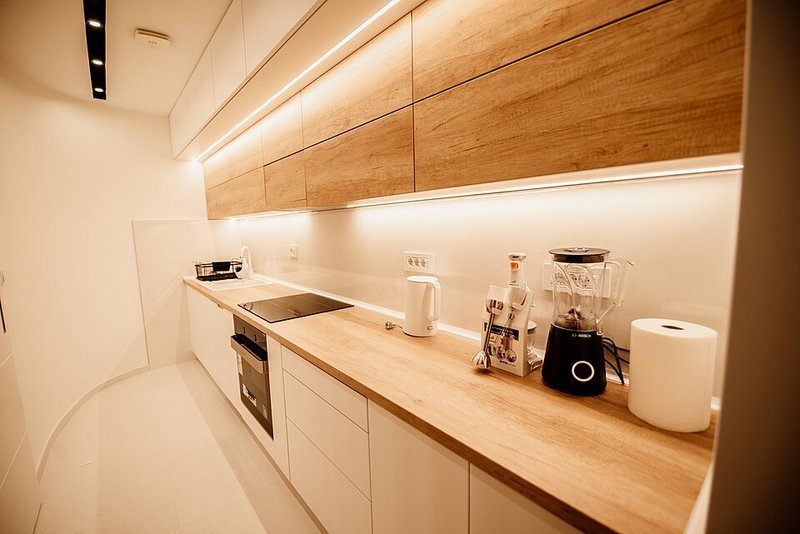
Tiny kitchens often have one sad overhead bulb that leaves counters in shadow. Add LED strip lights under shelves and cabinets so every work surface glows. Battery-powered puck lights work where wiring is difficult.
Good lighting makes a small kitchen feel twice as big because you can actually see what you’re doing. Warm white (around 3000K) flatters food and feels cozy, while cool white suits modern minimalist spaces.
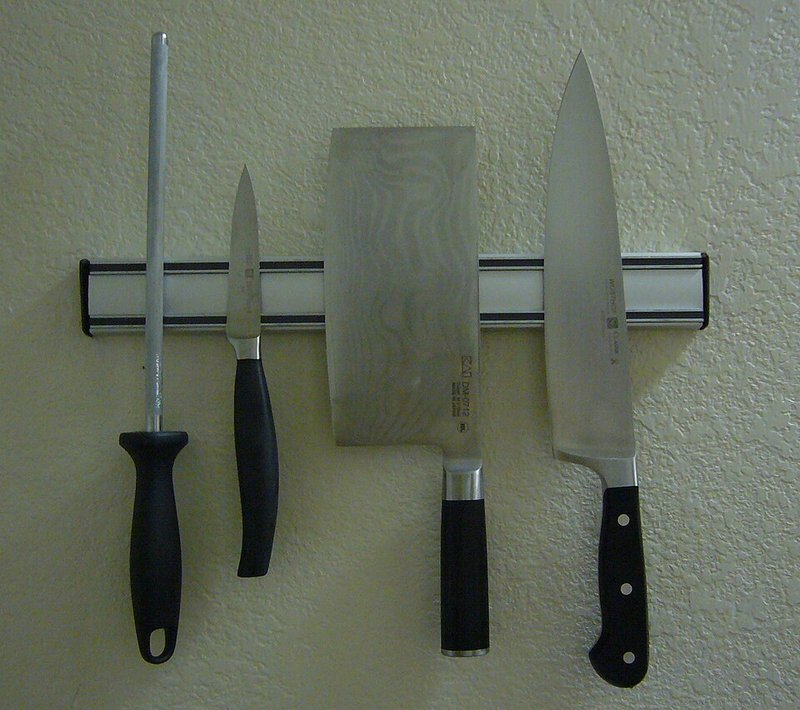
11. Use Magnetic Knife and Spice Storage
Drawer space in a tiny kitchen is too valuable for knife blocks and spice racks. A magnetic knife strip on the wall keeps blades visible, dry, and safely out of the way. Small magnetic tins hold spices on any metal surface, including the side of the fridge.
Keep the knife strip away from the main walkway so nobody brushes against exposed blades. For spices, label the lids rather than the sides so you can read them from above.
More clever storage tricks live in these small space living hacks.
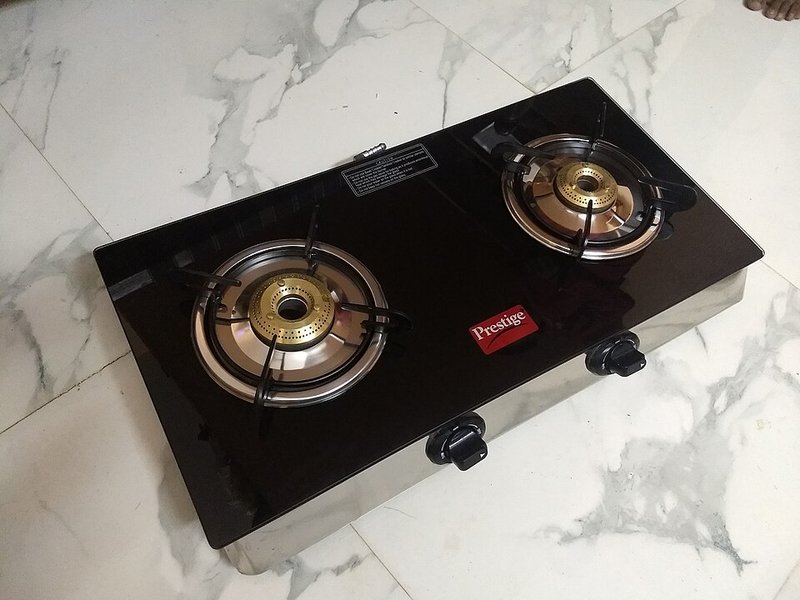
12. Choose a Two-Burner Cooktop
Four burners are overkill when your counter is two feet wide. A two-burner induction or gas cooktop handles weeknight cooking beautifully and frees up precious surface area. Many tiny homeowners pair it with a portable single burner stored in a drawer for the rare big cooking day.
Induction cooktops stay cool to the touch and double as extra counter space when not in use. Just lay a cutting board over the top and you have gained back the whole footprint.
13. Build Storage into the Toe Kick
The six inches of dead space under your lower cabinets can hold flat items like baking sheets, serving trays, and placemats. Toe-kick drawers pull out with a tap and disappear completely when closed.
This is a weekend project with basic tools if your cabinets have removable toe-kick panels. Line the drawers with non-slip shelf liner so trays don’t rattle when the tiny house travels.
14. Keep the Palette Light and Simple
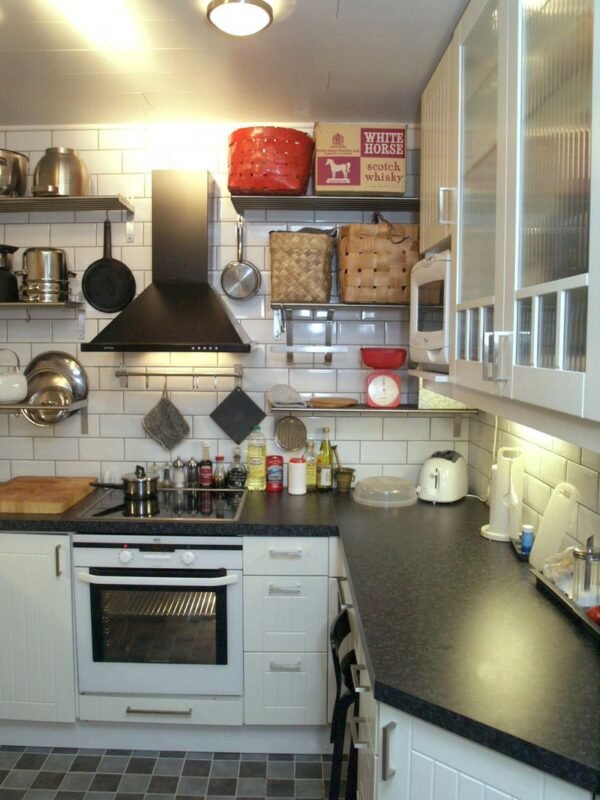
Dark colors shrink a room visually, which is the last thing a tiny kitchen needs. White or pale cabinets, light counters, and a simple backsplash bounce light around and make the space feel open. You can always add personality with a colorful kettle, plants, or artwork.
If all-white feels sterile, warm it up with wood tones on open shelves or a butcher block counter section. The contrast keeps things interesting without closing the room in.
For inspiration on making compact spaces feel bigger, these tiny living outdoor space ideas show how light and airiness transform any area.
15. Add a Foldable Step Stool
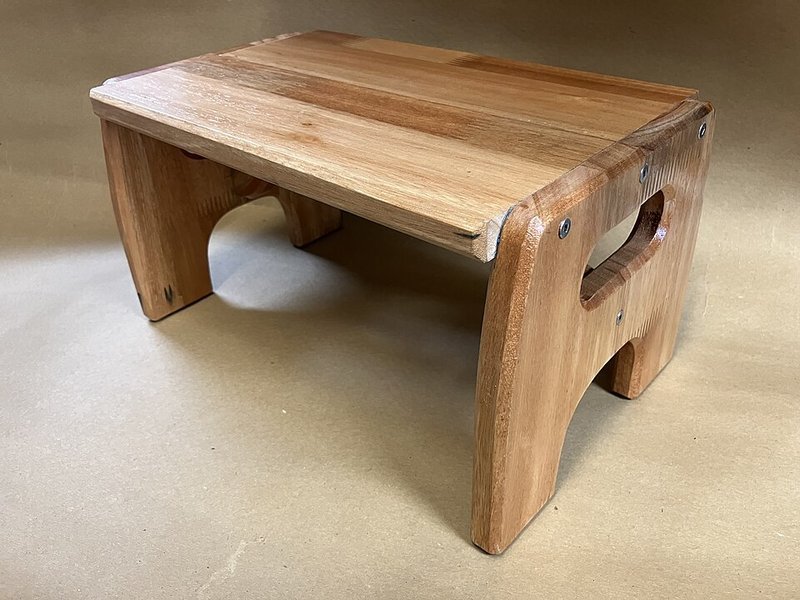
High shelves are wasted if you can’t reach them comfortably. A slim folding step stool tucks into the gap beside the fridge or hangs on the back of a door. Use it to reach the top shelf, then fold it away in seconds.
Store everyday items at arm height and relegate the step stool trips to things you use weekly, like the food processor or holiday platters. Your daily cooking flow should never require climbing.
16. Corral Clutter with Trays and Baskets
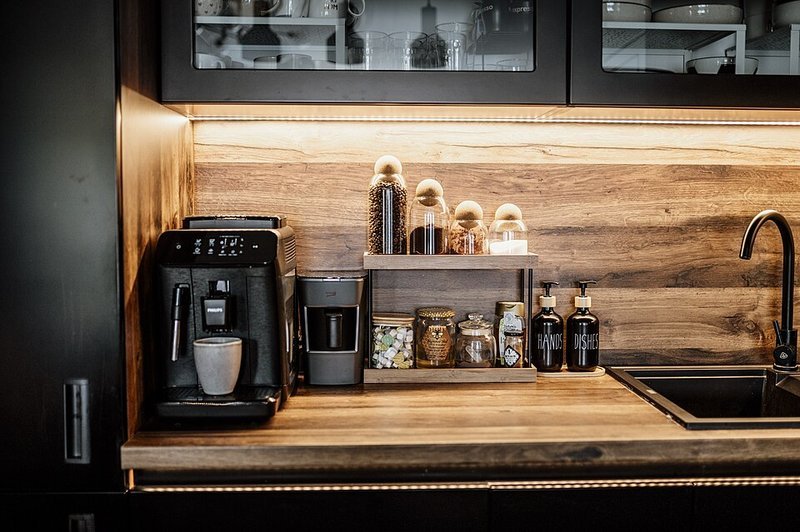
Open counters in a tiny kitchen collect clutter at lightning speed. Give every category a home: a tray for cooking oils and spices near the stove, a basket for mail and keys by the door, a small bin for dish soap and sponges at the sink.
When everything has a container, tidying takes thirty seconds instead of ten minutes. Choose trays with raised edges so bottles don’t wander, and wipe them down weekly to prevent sticky buildup.
Try this: once a month, empty every tray and basket and put back only what you actually used. Donate or relocate the rest.
17. Ventilate Properly
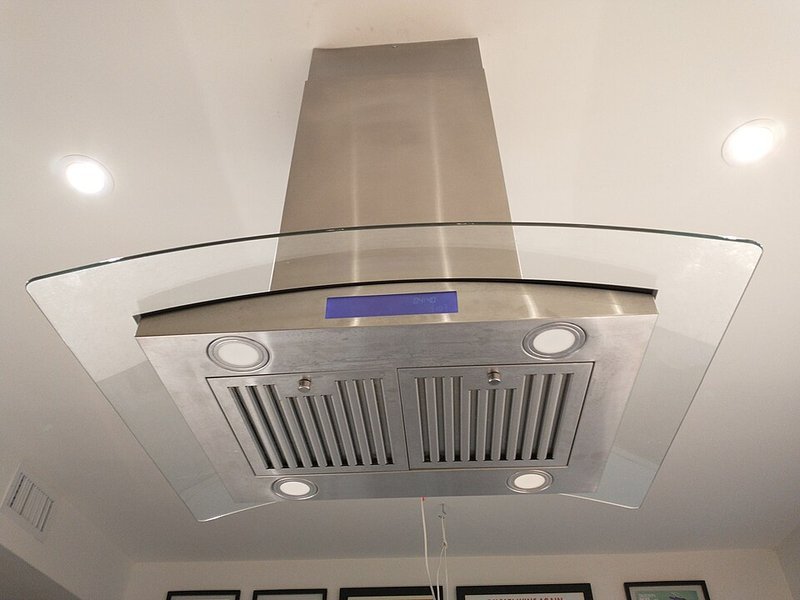
Cooking smells linger in a tiny house because there is nowhere for them to go. A proper range hood vented to the outside makes an enormous difference, far more than a recirculating fan. If ducting is impossible, a high-quality portable air purifier near the kitchen helps.
Crack a window or run a small exhaust fan while cooking strong-smelling foods. Your bedding and clothes will thank you, especially in an open-plan tiny home where the kitchen shares air with everything.
The Spruce has a solid guide to small kitchen ventilation and layout basics if you want to dig deeper into the technical side.
18. Design Around Your Real Cooking Habits
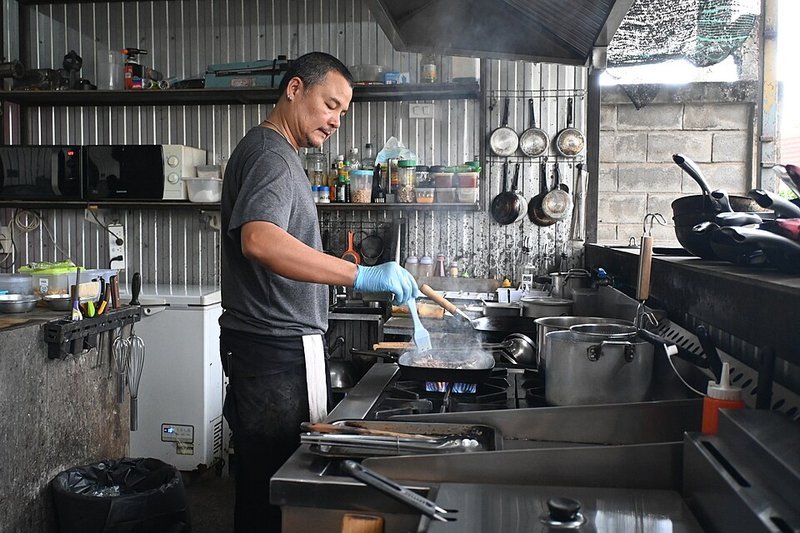
The best tiny kitchen is the one built for how you actually cook, not how a magazine thinks you should. If you order takeout four nights a week, invest in storage and skip the fancy range. If you bake every weekend, protect counter space for rolling dough above all else.
Spend a week noting every frustration in your current kitchen before planning changes. The patterns will tell you exactly where to put your money and effort, and you will end up with a kitchen that fits your life instead of fighting it.
Final Thoughts
A tiny house kitchen rewards intention. Every item earns its place, every inch works twice, and the result is a space that feels personal in a way big kitchens rarely do. Start with the two or three ideas that solve your biggest daily frustrations, then layer in the rest over time. Small spaces reward patience more than spending.