
Nobody talks about the emotional side of downsizing. Everyone shows you the floor plans and the storage hacks, but nobody mentions the knot in your stomach when you picture your bookshelves gone, or the wave of guilt when you think about selling the dining table where your kids did homework. That fear is normal. Finding the confidence to downsize starts with naming what scares you.
It does not mean you are not ready. It means you are a person with a history, and histories take up space in the heart long after they stop taking up space in the house.
Confidence to downsize is not something you wait for. It is something you build, one small brave step at a time. These eleven steps are designed for the emotionally hesitant, the people who love the idea of tiny living but freeze at the thought of letting go.
Each one is practical, gentle, and doable this week.
1. Name the Fear Out Loud
Here is the part nobody tells you: vague fear is paralyzing, but specific fear is manageable. “I am scared to downsize” will keep you stuck for years. “I am scared I will miss my garden” is a problem you can solve.
So grab a notebook tonight and write down every single thing that frightens you about living smaller. The ugly ones, the irrational ones, all of them.
When you see them on paper, something shifts. Half of those fears turn out to be logistics with solutions, like where the winter coats go. The other half are grief in disguise, like the fear that a smaller home means a smaller life.
Naming them is the first act of courage, and courage is a muscle. If you want proof that small rooms can hold big lives, browse these small space living hacks and notice how much joy fits in very few square feet.

2. Borrow Someone Else’s Courage for an Afternoon
You do not have to believe in tiny living yet. You just have to watch someone else believe in it. Find a tiny home tour video, visit an open house, or spend an afternoon scrolling real homes from real downsizers. Notice their faces more than their floor plans.
People who have made the leap have a particular look: relaxed shoulders, uncluttered minds.
The tiny-house movement is full of ordinary people who were exactly as nervous as you are now. Read their stories and pay attention to the sentence that almost always appears: “I wish I had done it sooner.” Borrow that confidence until your own grows in.
And when you start picturing your own rooms, these DIY tiny living furniture ideas will help you see how functional a small footprint can be.

3. Shrink the Project Until It Stops Scaring You
What if the whole project felt tiny? Not the house, the task. Forget “downsize your life.” Your only job this week is one drawer. Pick the junk drawer, the one with the dead batteries and the mystery keys, and empty it completely. Keep what you use, toss what is broken, and relocate the rest.
A drawer takes twenty minutes. It asks nothing of your heart. But when it is done, you will feel a small, unmistakable click of competence. That click is the whole game.
Do one drawer a week and in three months you will have decluttered without ever having a scary “decluttering day.” Small wins compound into big courage. When you are ready to think about where everything goes, these tiny house storage hacks show how little space your keepers actually need.

4. Do the Math on What Your Stuff Really Costs
Your stuff is charging you rent. That sounds dramatic until you run the numbers. Add up the bigger apartment you rent partly to store things, the storage unit, the insurance on the full house, the weekends lost to cleaning rooms you barely enter. Most people are stunned by the total.
Now flip it. Price out what a smaller life costs: lower rent or a paid-off tiny home, a fraction of the utilities, almost no maintenance weekends. Write both numbers on one page and tape it where you will see it daily.
Fear is emotional, but math is stubborn, and watching the savings pile up has converted more skeptics than any pretty photo ever will. When the numbers start convincing you, peek at these affordable tiny house essentials to see how little you actually need to buy.

5. Talk to Someone Who Already Made the Leap
You do not have to figure this out alone, and you should not try. Find one person who downsized and ask them the questions that keep you up at night. What do you miss? What surprised you? Was there a moment you regretted it?
Real answers from a real person will do more for your confidence than a hundred articles.
If you do not know any tiny home dwellers in person, online communities are full of them, and most love talking about the transition. Ask specifically about the emotional part, not the logistics. You will hear the same truth repeated: the fear beforehand was worse than the reality. Hardly anyone misses the square footage.
Almost everyone mentions the relief. For a taste of the lifestyle they describe, these tiny living no-yard ideas show how rich life gets when the house gets smaller.
6. Run a 30-Day Live-Small Experiment
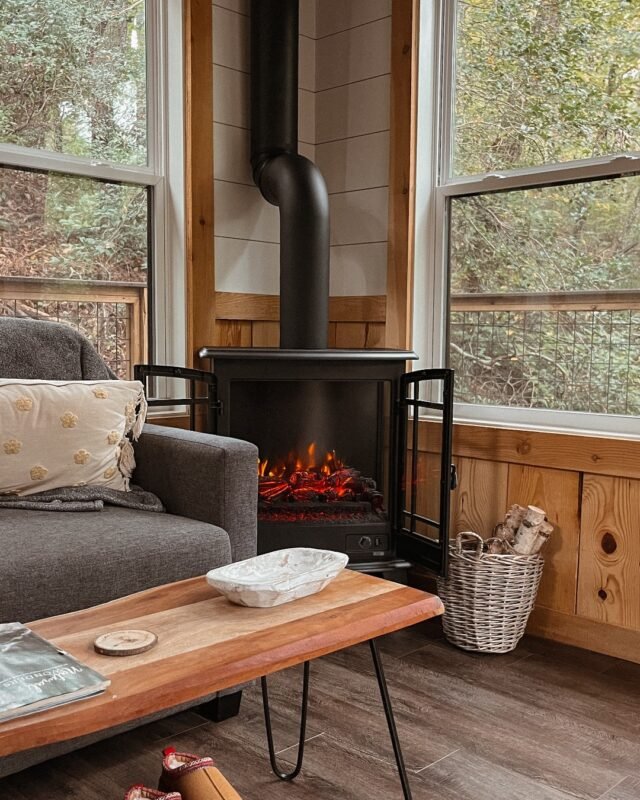
Try this for one month: live as if you already downsized, without moving anywhere. Close off one or two rooms and live only in the rest. Cook only with the tools that would fit in a tiny kitchen. Notice what you never reach for and which closed room you never miss.
This is the lowest-risk experiment in the world. Nothing is sold, nothing is donated, nothing is permanent. But at the end of thirty days you will hold something no article can give you: your own data. Most people discover they naturally live in about a third of their home already.
That discovery turns “could I?” into “I already do.” If you are renting while you experiment, these rental-friendly tiny living ideas are perfect for testing small-space life without angering a landlord.

7. Photograph the Memories, Release the Objects
The memories are not in the objects. Read that again. The ticket stubs, the chipped mugs, the boxes of childhood drawings: what you actually love is the moment they point to, not the cardboard and ceramic. So give those moments a better home.
Photograph everything, write down the story behind each piece, and keep the stories where they cannot gather dust.
This one stings, so be gentle with yourself. Do it in small sessions with tea, not in a frantic weekend purge. Many downsizers say this step, not the move itself, was the emotional turning point: once the memories were safe, the objects lost their grip. You are not erasing your past.
You are carrying it in a lighter bag. And the new memories you will make need room too, like the ones waiting in these tiny living outdoor space ideas.
8. Sketch Your Dream Tiny Space on Paper
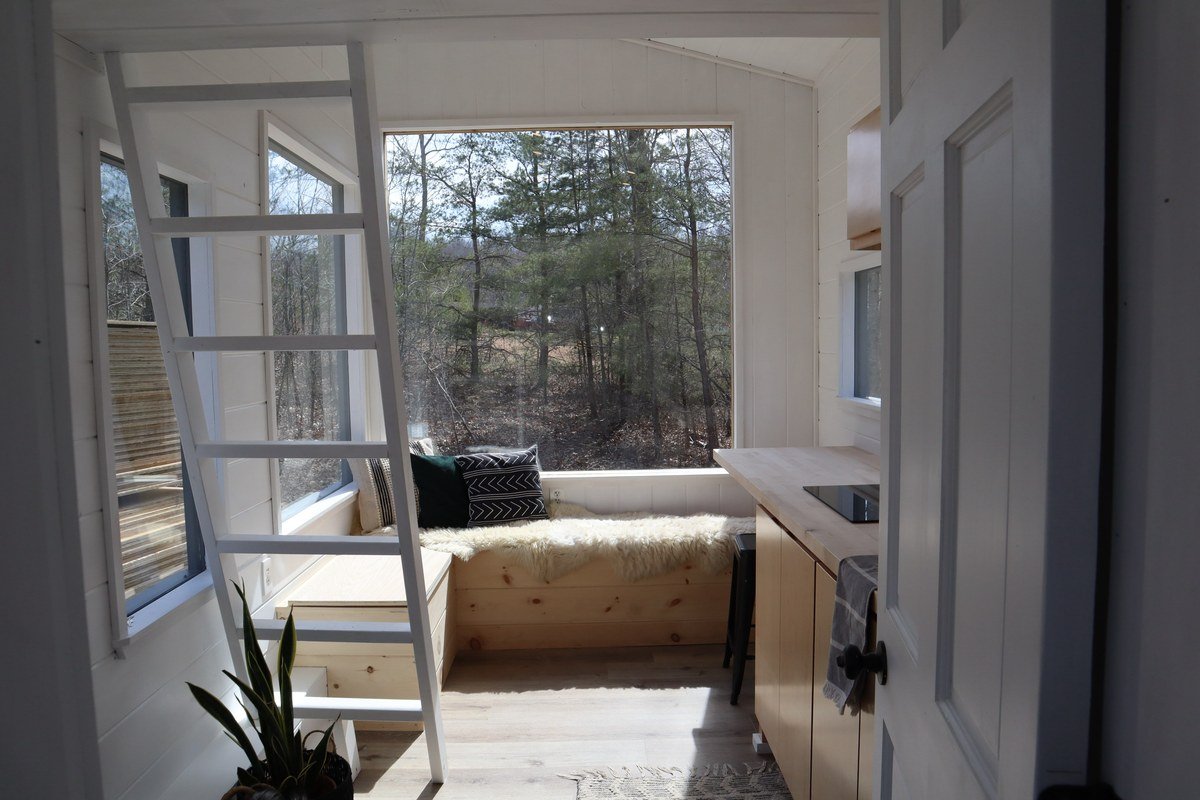
Grab a pencil and draw it. Not a perfect architectural plan, just a rough sketch of the tiny space you would actually love: where the morning light lands, where the reading chair goes, how the kitchen flows. Stick figures and wobbly lines are fine. This is not about drafting skill.
It is about giving your brain something to move toward instead of something to grieve.
Psychologists call this approach motivation, and it works because fear shrinks when desire grows. Every line you draw makes the future feel chosen rather than forced. Tape the sketch to your fridge. When downsizing doubt creeps in at midnight, look at that drawing instead of your worries.
For layout inspiration while you sketch, these tiny living room ideas are full of arrangements that prove small rooms can feel generous.
9. Start With the Kitchen Test
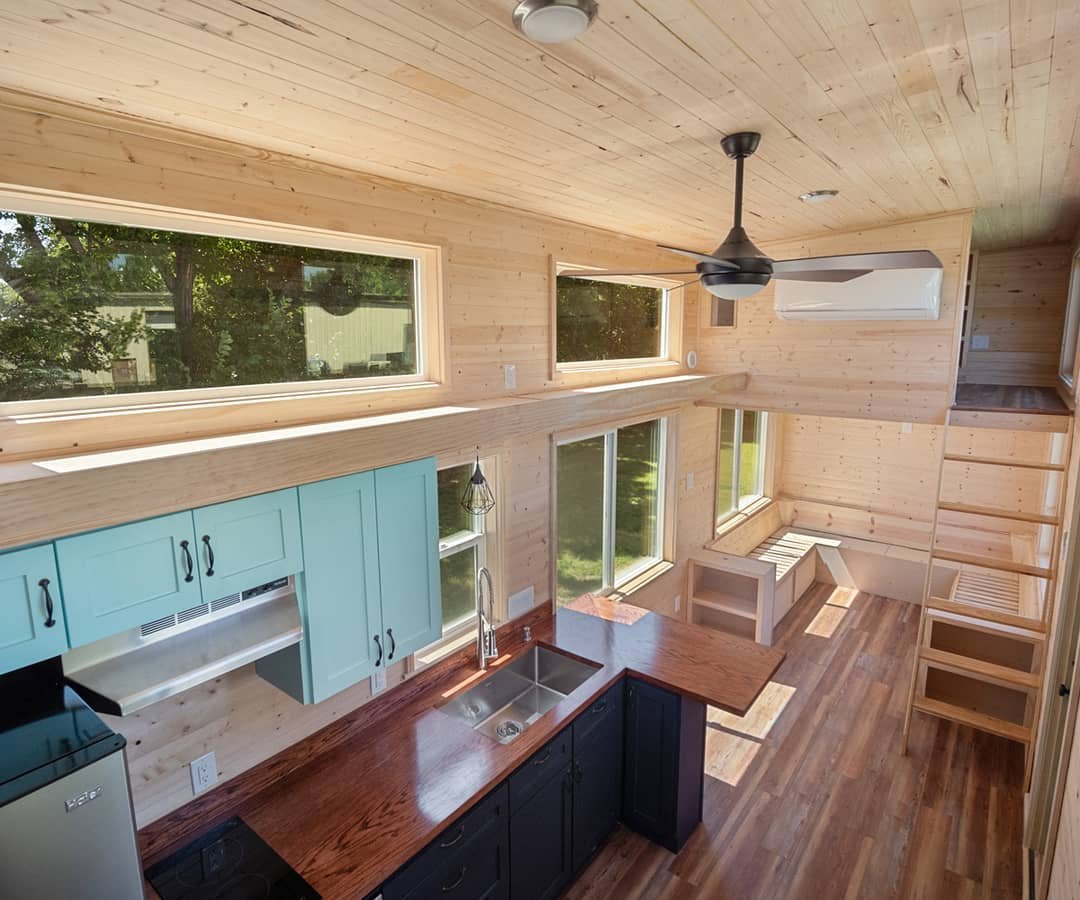
The kitchen is where downsizing gets real. Everyone imagines losing closet space, but the true test is whether you can cook a real week of real meals in a compact kitchen. So try it. For one week, use only the pots, pans, and tools that would fit in a tiny house kitchen.
Box up the rest and cook like the boxes are already gone.
You will learn fast. Most people use the same five tools on rotation and never touch the bread maker. By Friday you will know exactly which kitchen items earn their place, and the ones in the box will have started their quiet journey out of your life.
Downsizing stops feeling like deprivation the moment you realize how little you need to eat well. These tiny house kitchen essentials cover everything a small kitchen truly requires, and nothing it does not.
10. Give Yourself a “Maybe Box” With an Expiry Date
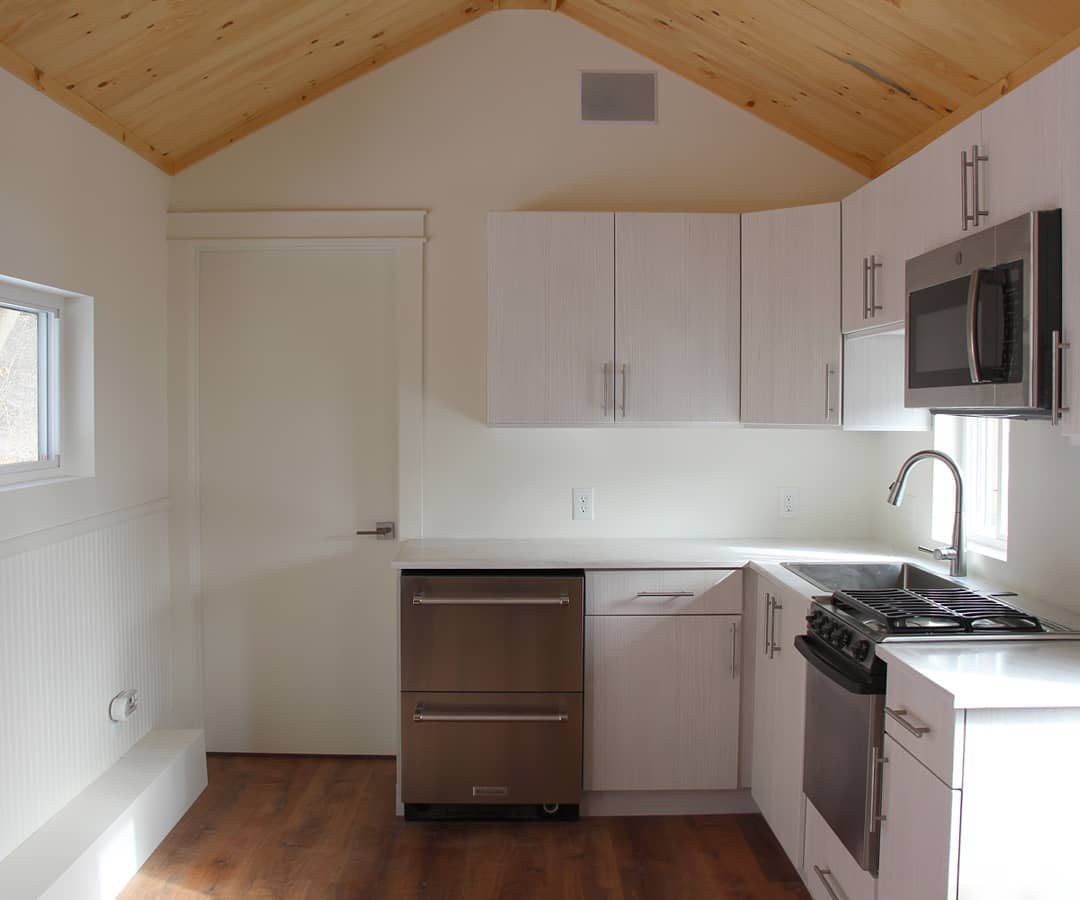
You are allowed to go slow. Take a sturdy box, label it MAYBE with today’s date, and fill it with the things you cannot quite release yet: the vase from your aunt, the books you might reread, the gadgets you might need someday.
Seal it, date it six months out, and put it somewhere out of sight.
Here is the magic: when the date arrives, you will open that box as a different person. The urgency will be gone. Most of it will feel like someone else’s stuff, because in a way it is: it belongs to the person you were before you started this journey.
Donate the box unopened if you like. The rule is simple and kind. Nothing leaves before you are ready, and everything has a deadline. For the keepers that survive, these storage hacks that double your space will find them a proper home.

11. Set a Soft Move Date
Confidence loves a deadline. Pick a date, even a soft one you might move: “By next spring, I will be living smaller.” Write it down. Tell one person. A vague someday lets fear run the show forever. A date, however gentle, turns the whole project from fantasy into plan.
Notice what happens when you set it. The fear does not vanish, but it gets a companion: excitement. You will start noticing tiny homes on your walks and measuring rooms with your eyes. That is not anxiety anymore. That is anticipation, and it means the confidence caught up with you along the way.
When the date gets close, these small space living hacks will make the final transition feel less like a leap and more like a next step.

Final Thoughts on Finding the Confidence to Downsize
You do not need to feel ready to begin. Readiness is not the entrance fee; it is the souvenir you pick up along the way. Start with step one tonight, a notebook and an honest list, and let the other ten meet you as you go.
The smaller life you are dreaming about is not a smaller version of you. It is you, with room to breathe.