
20 Modern Victorian Dining Room Looks That Redefine Traditional Beauty
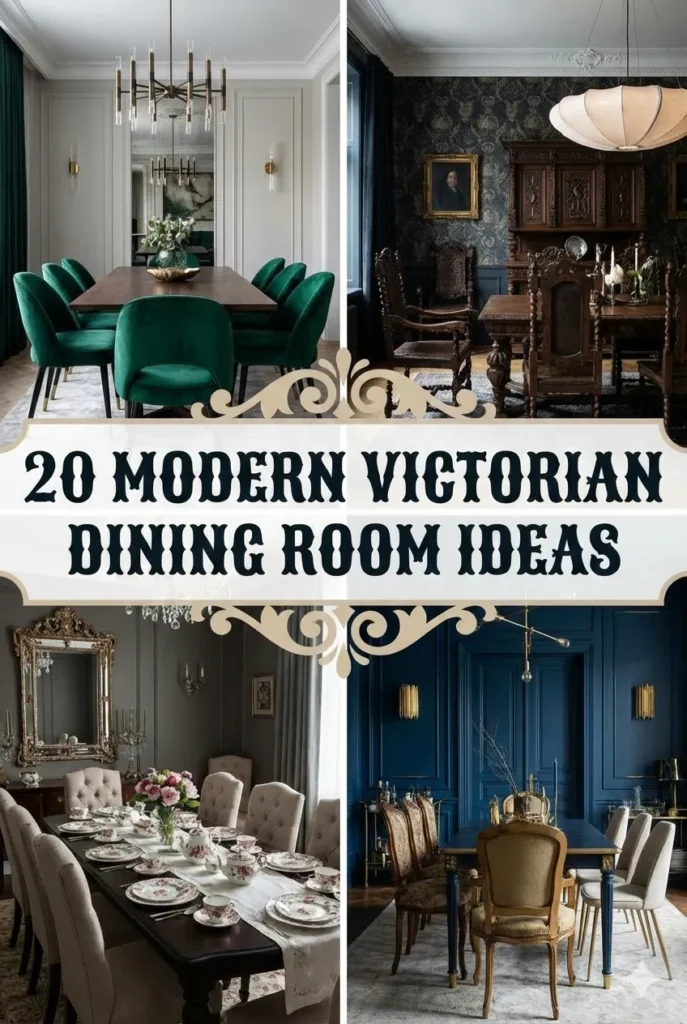
The dining room has always been the social heart of the home, a place where conversation flows as freely as the wine. In the Victorian era, dining was an elaborate ceremony, defined by opulence, heavy drapery, and intricate craftsmanship. Today, the Modern Victorian aesthetic takes those grand traditions and strips away the stiffness, replacing it with a fresh, moody, and sophisticated charm. By blending historical architectural details with contemporary silhouettes, you can create a dining space that feels timeless yet entirely relevant to modern living.
To redefine traditional beauty, one must understand the balance between the ornate and the streamlined. It is not about filling a room with antiques, but rather about choosing statement pieces that anchor the space in history while using color and light to keep it feeling current. In this detailed exploration, we will dive into twenty unique concepts that will transform your dining area into a masterpiece of Modern Victorian design.
1. Radiant Velvet Dining Elegance
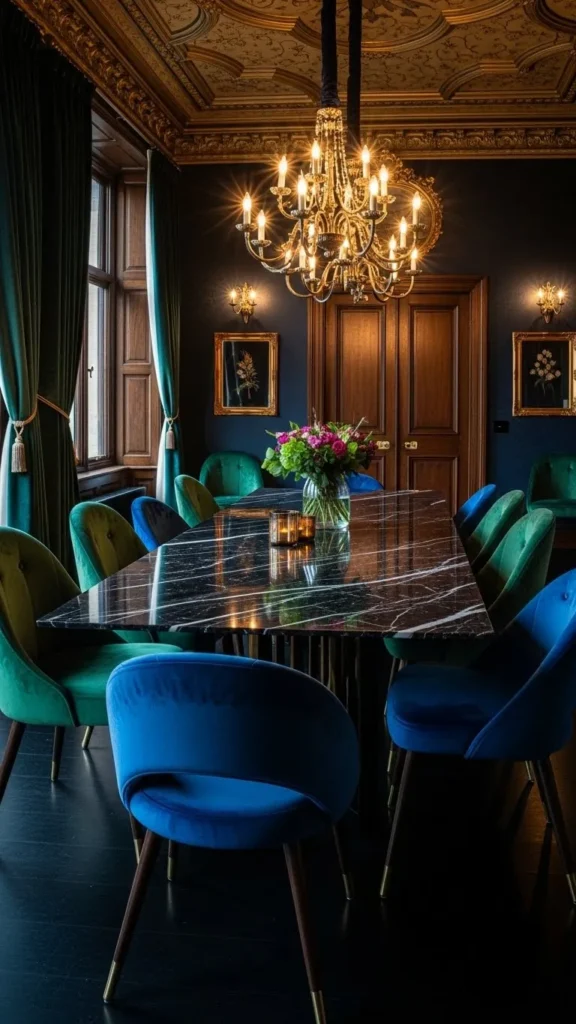
Velvet is the fabric of royalty and remains a cornerstone of the Modern Victorian look. Radiant Velvet Dining Elegance is achieved by introducing high quality velvet upholstery on dining chairs in saturated jewel tones. Imagine a sleek, dark marble table surrounded by chairs in a deep emerald or sapphire velvet. The way the fabric catches the light adds a layer of visual movement to the room. To keep it modern, choose chairs with clean lines or thin metal legs, ensuring the weight of the fabric is balanced by a contemporary structure. This look is all about the tactile experience, making every meal feel like a special occasion.
2. Dramatic Gothic Dining Retreat
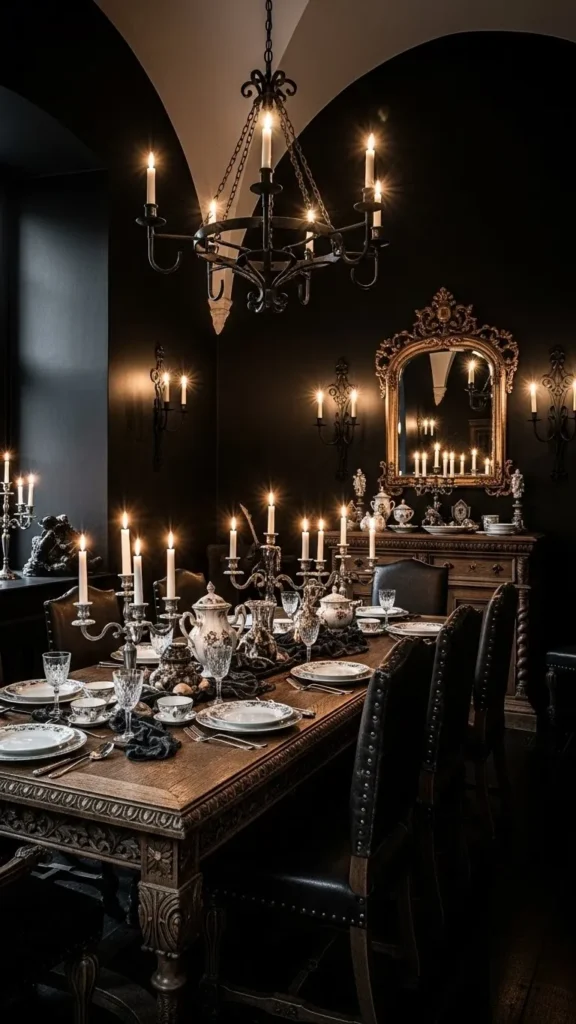
The Dramatic Gothic Dining Retreat embraces the darker side of Victorian design. This style is not for the faint of heart, as it relies on deep charcoal or matte black walls to set a moody tone. The key to making this work is contrast. A light colored rug or a series of white candles can break up the darkness. Incorporate a heavy oak dining table with carved legs, but pair it with modern minimalist lighting. The goal is to create a space that feels like a quiet sanctuary, where the architecture of the room is the main event. Use wrought iron accents and botanical prints to lean into the naturalistic elements of the Gothic movement.
3. Baroque Elegance Meets Minimalism

Baroque design is known for its exuberance and grand scale, but in a modern home, too much can feel overwhelming. Baroque Elegance Meets Minimalism is a design philosophy that picks one or two elaborate pieces and surrounds them with clean, white spaces. For example, a large, ornate gilded mirror or a heavily carved sideboard can act as the focal point in a room with white walls and a simple glass dining table. This juxtaposition allows the Victorian craftsmanship to be appreciated as art, rather than just furniture. It creates a gallery like atmosphere that is both breathtaking and easy to live in.
4. Whimsical Rococo Modernized

Rococo is the more playful, lighthearted sibling of the Baroque style, characterized by C curves, shells, and pastel colors. To modernize Rococo for a dining room, focus on the curves. Choose a dining table with gracefully arched legs or a chandelier with delicate leaf motifs. Instead of the traditional gold, try these shapes in a matte white or a soft brushed nickel. Using a pastel palette such as mint green, pale lemon, or blush pink on the walls keeps the room feeling airy and whimsical. This style is perfect for those who want a Victorian feel that remains bright and cheerful.
5. Elegant Gilded Accents Dining

Gold leaf and gilding were essential in Victorian homes to reflect candlelight and show off wealth. In a Modern Victorian dining room, Elegant Gilded Accents are used with more restraint. Instead of gilding every surface, focus on the details. Gold trim on the edges of a dark dining table, brass hardware on a buffet, or a gold leaf finish inside a lampshade can provide a warm, luxurious glow. These metallic touches act as jewelry for the room, adding a layer of sophistication without the need for a full renovation. When paired with dark, moody paint colors, gold accents create a high end look that is undeniably captivating.
6. Rich Ruby Red Dining Room

Red has long been associated with appetite and passion, making it a classic choice for a dining room. A Rich Ruby Red Dining Room uses deep, wine inspired tones to create an intimate atmosphere. To keep it from looking dated, avoid bright cherry reds and opt for crimson or burgundy. Use these colors on the walls and pair them with dark wood furniture and black accents. The secret to a modern red room is lighting. Use dimmable wall sconces and candles to create a flickering, romantic glow that makes the ruby walls feel like they are wrapping the guests in a warm embrace.
7. Soft Cameo Charm Dining

The cameo is a staple of Victorian jewelry, often featuring a white silhouette against a soft pink or tan background. Soft Cameo Charm Dining takes this palette into the interior. This look uses shades of blush, cream, and beige to create a monochromatic space that feels soft and romantic. Use a mix of textures lace tablecloths, silk cushions, and painted wooden chairs to add depth to the neutral colors. This is an excellent choice for a smaller dining nook, as the light colors make the space feel larger while the Victorian shapes maintain the sense of history.

Navy blue is the new black in Modern Victorian design. A Moody Neo Victorian Navy Dining room offers the depth of a dark room but with a bit more color and soul. Navy walls act as a beautiful backdrop for wooden furniture and metallic accents. To achieve the Neo Victorian look, incorporate modern art in heavy vintage frames. The contrast between a contemporary painting and a traditional frame is a hallmark of this style. Navy blue also pairs exceptionally well with leather, so consider navy blue walls with tan leather dining chairs for a look that is both masculine and refined.
9. Burgundy Royal Dining Experience

Burgundy is a quintessentially Victorian color, representing the richness of fine wine and textiles. A Burgundy Royal Dining Experience utilizes this color in large doses. Think burgundy damask wallpaper or a large area rug in a deep claret tone. To keep the look royal but modern, use furniture with simplified silhouettes. A large pedestal table in a dark walnut finish works perfectly here. By keeping the floor and ceiling in lighter tones, you can prevent the burgundy from making the room feel too small, creating a balanced and regal environment.
10. Shimmering Silver Dining Suite

While gold is traditional, silver offers a cooler, more contemporary take on Victorian luxury. A Shimmering Silver Dining Suite incorporates silver leaf furniture, chrome lighting fixtures, and grey silk drapery. This palette feels very “Old Hollywood” but rooted in Victorian proportions. Silver is particularly effective at reflecting light, making it a great choice for a dining room that is used frequently for lunch or brunch. Pair silver accents with cool grays and crisp whites to maintain a clean, streamlined aesthetic that still feels incredibly high end.
11. Teal Velvet Dining Nook

Teal is a color that sits perfectly between the natural world and artificial luxury. A Teal Velvet Dining Nook is an excellent way to introduce color into a neutral home. Using a deep teal velvet on a banquette or a set of chairs creates a cozy, jewel box effect. This color looks particularly stunning against dark charcoal or even black walls. To ground the look, use a natural wood table. The combination of the rich fabric and the raw wood creates a “bohemian Victorian” vibe that is very popular in modern urban homes.
12. Crystal Radiance Dining Room

No Victorian dining room is complete without a chandelier, but the Crystal Radiance Dining Room takes it a step further. This look is about using glass and crystal to create a sense of airy luxury. In addition to a large central chandelier, consider using glass fronted cabinets to display vintage crystal glassware. A glass topped dining table can also help to make a small room feel more open while still allowing you to show off an ornate rug underneath. The sparkle of crystal adds a sense of magic to the room, especially during evening dinner parties.
13. Orchid Elegance Dining Area

Orchid is a vibrant, sophisticated shade of purple that brings a modern energy to Victorian design. The Orchid Elegance Dining Area uses this color as an accent against a backdrop of dark grays or whites. Perhaps it is a set of orchid colored dinner plates or a single large painting featuring botanical orchids. This color feels fresh and floral, moving away from the heavier plums and violets of the past. It is a great way to show a “lighter” side of the Moody Romance theme.
14. Mauve Majesty Dining Room

Mauve was actually the first synthetic dye ever created, making it a revolutionary color in the Victorian era. A Mauve Majesty Dining Room pays homage to this history by using various shades of dusty purple and lilac. Mauve is a very “Livable” color because it acts as a neutral when it is sufficiently muted. Pairing mauve walls with dark brown furniture and brass accents creates a room that feels historically accurate but visually soft. It is an excellent choice for a room that transitions from a bright daytime space to a moody evening retreat.
15. Amber Glow Dining Corner

The Amber Glow Dining Corner focuses on the warmth of the Victorian era. This look is achieved through the use of warm wood tones, brass fixtures, and amber colored glassware. Think of the color of a library at sunset. Using a warm yellow or ochre on the walls can mimic this effect. This style is incredibly welcoming and is designed to make guests feel comfortable and relaxed. It is the interior design equivalent of a warm hug, prioritizing “hygge” within a Victorian framework.
16. Pewter Plush Dining Parlor

Pewter is a matte, understated metal that offers a more humble version of Victorian luxury. The Pewter Plush Dining Parlor uses grey tones and pewter accents to create a space that feels grounded and historic. Instead of shiny silver, choose brushed metals for your curtain rods and light fixtures. Pair these with plush, oversized furniture to create a sense of comfort. This look is perfect for a farmhouse or a country estate where you want Victorian elegance without it feeling too “precious” or untouchable.
17. Indigo Luxe Dining Spot

Indigo is a deep, soulful blue that has been used in textiles for centuries. An Indigo Luxe Dining Spot uses this color to create a space that feels both ancient and modern. Using indigo dyed fabrics for chair upholstery or window treatments adds a handcrafted, artisanal feel to the room. When paired with dark wood and white moldings, indigo creates a sharp, clean contrast that is very pleasing to the eye. This is a great look for those who want a “coastal Victorian” aesthetic.
18. Silver Streamlined Dining Room

The Silver Streamlined Dining Room is the ultimate expression of Modern Victorian minimalism. It takes the silver palette but applies it to furniture with very simple, almost mid century lines. The Victorian element comes through in the materials marble, silk, and polished metal. By stripping away the carvings and keeping the shine, you create a room that feels like it belongs in a high end metropolitan penthouse. It is a look defined by sleekness and light.
19. Emerald Luxe Dining Domain

Emerald green is perhaps the most iconic color of the Victorian period, often used in wallpapers and heavy velvets. The Emerald Luxe Dining Domain uses this color to create a lush, jungle like atmosphere. Using botanical wallpapers with large green leaves or painting the walls in a high gloss emerald green can make the room feel alive. Pair this with dark furniture and plenty of indoor plants to create a space that feels like a Victorian conservatory turned into a dining room.
20. Gold Leaf Glam Dining Room

For those who want unapologetic luxury, the Gold Leaf Glam Dining Room is the answer. This style uses gold leaf in a modern, artistic way perhaps as a mural on the wall or a textured finish on the ceiling. When the rest of the room is kept in dark, matte tones, the gold leaf looks like molten metal, providing a dramatic and captivating focal point. This is a high drama look that is guaranteed to be a conversation starter at any dinner party.
Conclusion
In conclusion, the Modern Victorian dining room is a space of endless possibility. By embracing the colors and textures of the past while maintaining a modern eye for scale and light, you can create a room that is truly the heart of your home. Whether you prefer the dark drama of a Gothic retreat or the soft romance of a cameo palette, these twenty ideas prove that traditional beauty is not just a thing of the past it is a foundation for a beautiful future.