
20 Small Living Room Layout Ideas That Actually Work
Designing a small living room can feel challenging, but with the right layout and decor strategies, even compact spaces can feel stylish, functional, and inviting. Small living rooms don’t have to be cramped or cluttered. By applying smart layouts, furniture arrangement, and renter-friendly decor solutions, you can maximize every inch while keeping the room cozy and visually appealing. Below are 20 unique small living room layout ideas that actually work, complete with practical tips you can implement immediately.
1. Create a Cozy L-Shaped Seating Arrangement

For small living rooms, an L-shaped sofa arrangement maximizes seating without overcrowding. Place the sofa along two adjacent walls or in a corner to free up floor space. Pair with a small coffee table and a compact side chair for flexibility. This setup encourages conversation and creates a welcoming atmosphere. Use neutral colors and minimalist decor to keep the room feeling open.
2. Opt for a Floating Sofa Layout

Position the sofa away from the walls to create a sense of openness. Floating layouts allow circulation on all sides and make the room feel larger. Add a small console table behind the sofa for decorative purposes or storage. Keep furniture low-profile to prevent blocking natural light. This arrangement works especially well in square-shaped small living rooms.
3. Use a Corner TV Setup

Mounting the TV in a corner or placing a corner media console helps free up wall space for seating or storage. Pair with a compact sofa or sectional angled toward the screen. Floating shelves around the TV provide display space without crowding the room. This layout maximizes functionality while maintaining a clean, open floor plan.
4. Layer Rugs to Define Zones

In multi-functional small living rooms, use rugs to visually separate areas. A larger rug can anchor the seating area, while a smaller one can define a reading nook or play area. Layering rugs adds texture and depth, making the room feel larger and more structured. Choose light colors or subtle patterns to avoid overwhelming the space.
5. Use a Diagonal Furniture Layout

Placing the sofa or chairs at a slight angle rather than flush against walls can make a small living room appear larger. Diagonal layouts create natural flow and guide the eye across the room. This technique works well with irregular-shaped spaces or rooms with multiple entrances. Pair with round coffee tables to maintain flow.
6. Incorporate a Window Seat

If you have a window nook, convert it into a cozy seating area with cushions and storage underneath. A window seat doubles as seating and storage, keeping small living rooms functional. Add a small side table and a floor lamp to create a reading corner. Natural light from the window enhances openness, making the room feel airy and inviting.
7. Go for a Minimalist Furniture Approach
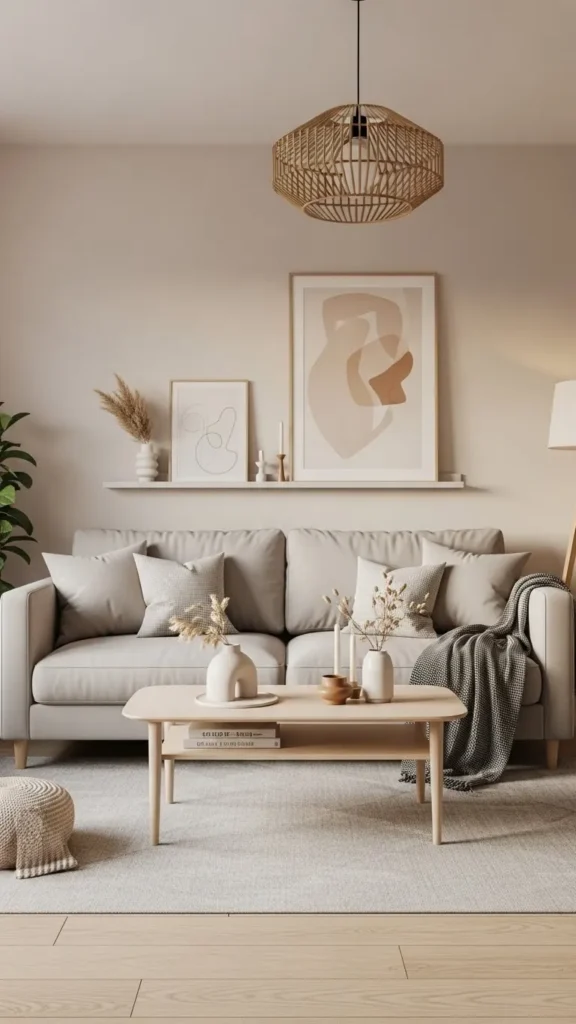
Less is more in small living rooms. Choose essential furniture pieces only, focusing on multi-functional items like storage ottomans or nesting tables. Stick to clean lines and neutral colors to avoid visual clutter. This approach keeps circulation smooth and ensures the room doesn’t feel cramped, perfect for apartments or rental spaces.
8. Utilize Vertical Storage

Maximize wall space with tall shelving units, floating shelves, or vertical cabinets. Display decor, books, and plants on vertical surfaces to free floor space. Vertical storage keeps items organized without reducing walking space. In small living rooms, vertical emphasis draws the eye upward, creating a sense of height and openness.
9. Create a Symmetrical Layout

Symmetry makes small spaces feel balanced and harmonious. Position two small chairs opposite a sofa, or place matching side tables with lamps on either side. Symmetry gives a sense of order and intentional design, making the room feel spacious and polished. This approach works especially well in rectangular living rooms.
10. Make Use of a Folding or Drop-Leaf Table

In very compact living rooms, a folding or drop-leaf table can serve multiple functions: as a coffee table, workspace, or dining surface. Foldable furniture allows you to maximize floor space when not in use. Pair with lightweight chairs or stools that can easily move around the room, maintaining flexibility and flow.
11. Angle the Sofa Toward the Focal Point

Identify the main focal point, like a fireplace, TV, or window view, and angle your sofa toward it. Angled seating draws attention to key features and avoids a cramped feeling. Add a small armchair or pouf to complement the arrangement. This layout works well for rectangular or narrow living rooms.
12. Use a Gallery Wall as a Visual Anchor

Even small living rooms can have a statement wall. Arrange photos, artwork, or mirrors in a gallery above the sofa or console. A visually engaging wall draws attention upward and distracts from size limitations. Use lightweight frames and cohesive colors to keep it organized and renter friendly.
13. Combine Seating Types

Mix sofas, loveseats, armchairs, and poufs to create a flexible small living room layout. Different seating types can be moved around to accommodate guests or activities. Use a compact coffee table or ottoman in the center. This combination creates variety, comfort, and practicality without overcrowding the space.
14. Use a Round Coffee Table

Round or oval coffee tables are ideal for small living rooms. They soften angles, improve traffic flow, and make it easier to navigate around furniture. Choose tables with storage underneath or nesting sets for versatility. This layout detail helps a small space feel airy while remaining functional.
15. Apply Open Shelving and Glass Furniture

Transparent furniture like glass coffee tables or acrylic chairs maintains sightlines, making the room feel less cluttered. Open shelving provides storage without blocking light or creating visual weight. This approach works beautifully in small living rooms with natural light, emphasizing openness and minimalism.
16. Create a Reading Nook

Designate a corner for a comfortable chair, small lamp, and side table to form a reading nook. Even small living rooms benefit from dedicated activity zones. Keep furniture lightweight and small scale, ensuring it doesn’t overwhelm the main seating area. This adds personality and function.
17. Use Multi-Functional Furniture

Furniture with storage, sleeper sofas, and ottomans that double as tables helps small living rooms stay organized. Multi-functional pieces reduce clutter while maintaining comfort. Choose compact designs and light colors to keep the space visually open. This approach is especially useful for rentals or apartments.
18. Go Vertical with Lighting

Use wall-mounted sconces or tall floor lamps to free up floor space. Lighting placed higher draws the eye upward, enhancing the sense of height. This is particularly effective in small living rooms with low ceilings. Combine with compact furniture for optimal openness.
19. Embrace a Monochromatic Palette

Using one color or shades of a single color throughout the room makes a small living room feel cohesive and larger. Add texture through fabrics, rugs, and decor rather than contrasting colors. This subtle approach keeps the space elegant, airy, and visually seamless.
20. Rearrange for Function and Flow

Sometimes the simplest layout change has the biggest impact. Experiment with moving furniture to improve traffic flow and balance. Open pathways make the room feel bigger and more comfortable. Swap seating arrangements depending on activities or seasons. A flexible layout ensures the living room works for everyday life without feeling cramped.