
20 Office Interior Design Ideas That Boost Productivity and Style

Office interior design is more than just arranging furniture or picking a color scheme. The way a workspace is designed directly influences focus, efficiency, and overall well-being. Whether you are designing a home office, a small professional workspace, or a large corporate office, creating a balanced environment that combines functionality and style is essential. A well-designed office not only looks appealing but also fosters productivity, reduces stress, and encourages creativity.
In this article, we share 20 practical and stylish office interior design ideas that will help you create a workspace that works as hard as you do. Each idea is actionable, backed by design principles, and includes tips for implementing it in both small and large spaces.
1. Choose a Layout That Promotes Focus

The foundation of any productive office is the layout. Your desk, seating, and storage areas should be positioned to minimize distractions and optimize workflow. For example, placing your desk near a window allows natural light in while keeping foot traffic low. If your office is shared, consider zoning areas so tasks like printing or brainstorming do not interfere with focused work.
A smart layout ensures everything is within reach, reduces unnecessary movement, and creates a sense of order. By carefully planning the flow of your office, you make the space feel organized and intentional, which naturally enhances productivity.
2. Use Neutral Colors for a Calm Atmosphere
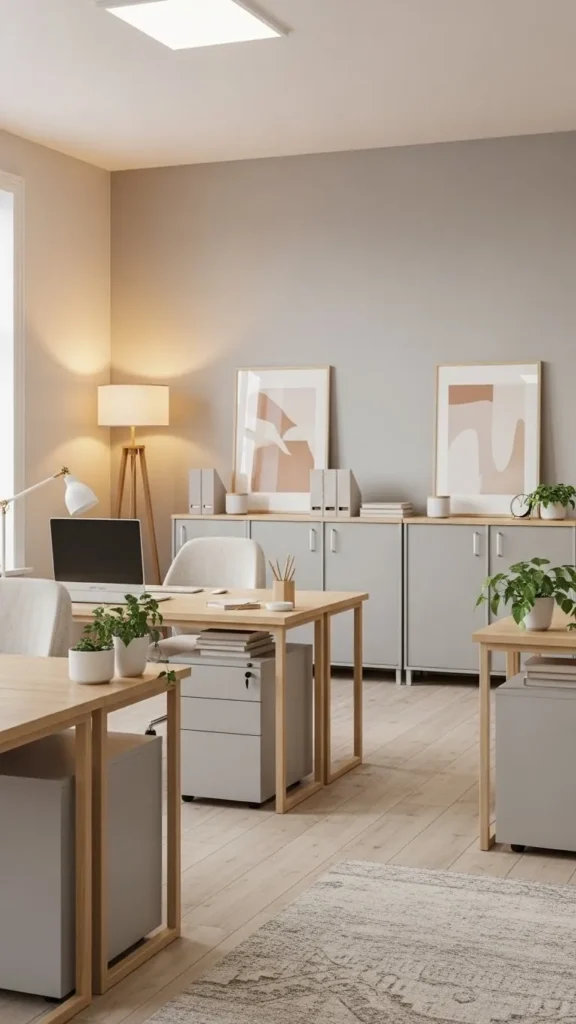
Color choices in office interior design have a direct effect on focus and mood. Neutral tones such as beige, soft gray, off-white, or warm taupe create a calm and professional atmosphere. These colors reduce visual clutter and allow key design elements like furniture or accent pieces to stand out.
For example, a soft gray wall paired with natural wood desks can make a room feel both cozy and modern. You can add pops of color through accessories such as desk organizers, rugs, or wall art. Using a cohesive color palette keeps the office visually balanced and prevents distractions, which helps maintain focus throughout the day.
📌 Save this post on Pinterest for later inspiration!
3. Invest in Ergonomic Furniture
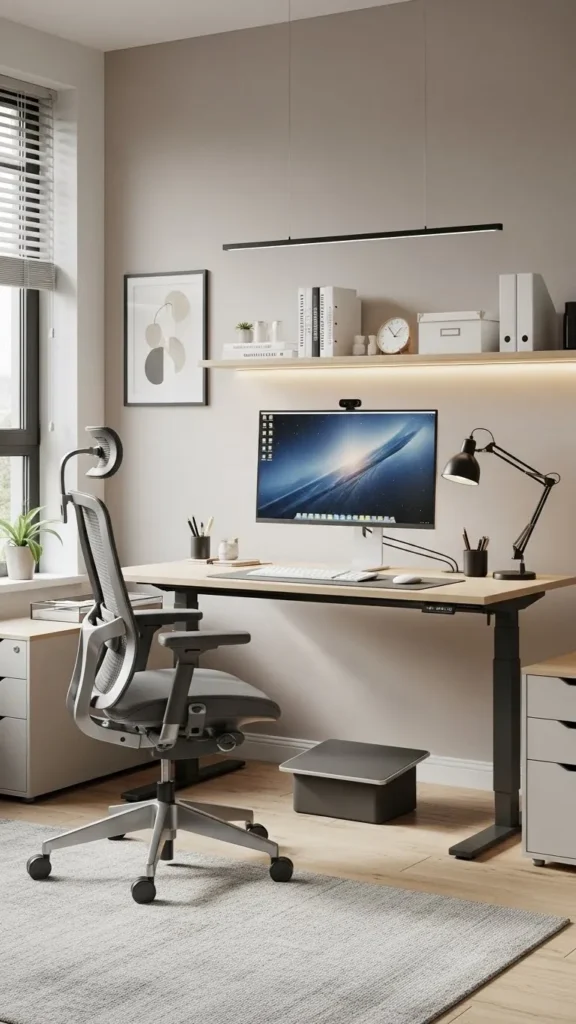
Ergonomic furniture is essential for long hours of work. A chair with lumbar support, a height-adjustable desk, and a monitor at eye level prevent discomfort and fatigue. For instance, a sit-stand desk allows flexibility and encourages movement, reducing the physical strain that comes from sitting all day.
Investing in ergonomics improves posture, minimizes pain, and enhances overall comfort. A well-fitted workspace reduces interruptions caused by discomfort and helps employees or individuals stay productive throughout the day.
4. Maximize Natural Light

Natural light is one of the most overlooked elements in office interior design, yet it significantly affects energy levels and mood. Positioning your desk near a window ensures you benefit from daylight, which improves focus and reduces eye strain.
If your office receives too much direct sunlight, sheer curtains or blinds can diffuse it without blocking it entirely. For rooms with limited windows, mirrors can reflect light to make the space feel brighter. Prioritizing natural light makes your office feel more open, welcoming, and motivating.
5. Incorporate Smart Storage Solutions
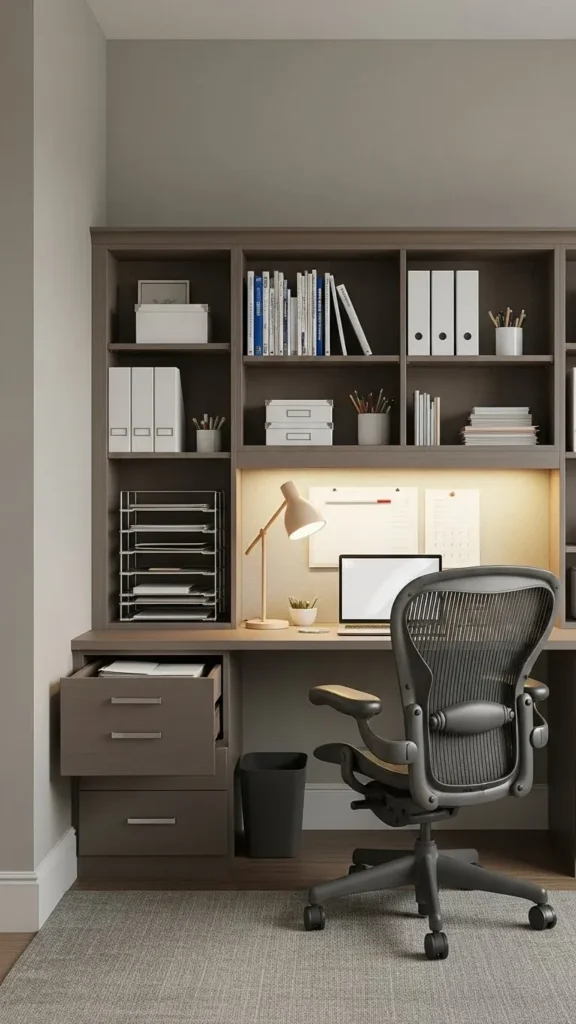
Clutter is a major productivity killer. Office interior design should focus on efficient storage solutions to keep your workspace clean and organized. Built-in cabinets, vertical shelving, and drawer organizers are excellent ways to store files, stationery, and supplies without taking up floor space.
For example, a wall-mounted shelving system keeps frequently used materials accessible while maintaining a tidy desk. Clear organization reduces time spent searching for items, decreases stress, and allows you to focus entirely on your work.
6. Create a Dedicated Desk Zone
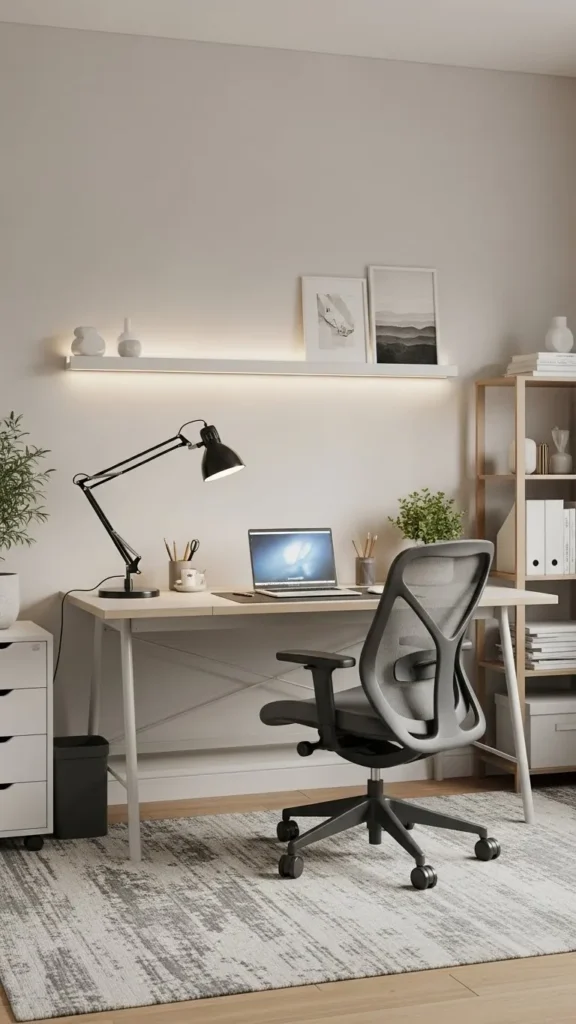
Having a clearly defined desk zone separates work from other activities, especially in home offices. This psychological boundary helps you switch into work mode more easily. You can define this space using rugs, lighting, or even subtle wall colors.
A dedicated desk area ensures that your workspace feels professional and intentional. It also encourages consistent work habits and helps prevent distractions from other parts of your home or office.
7. Add Greenery for a Balanced Environment

Plants are not just decorative; they provide a calming effect and improve air quality. Adding greenery like a snake plant, pothos, or small succulents can reduce stress and increase creativity.
For example, a few strategically placed plants around the desk or near windows can make the office feel lively without being overwhelming. Greenery adds color and texture, contributing to an inviting and productive workspace.
📌 Save this post on Pinterest for later inspiration!
8. Use Layered Lighting
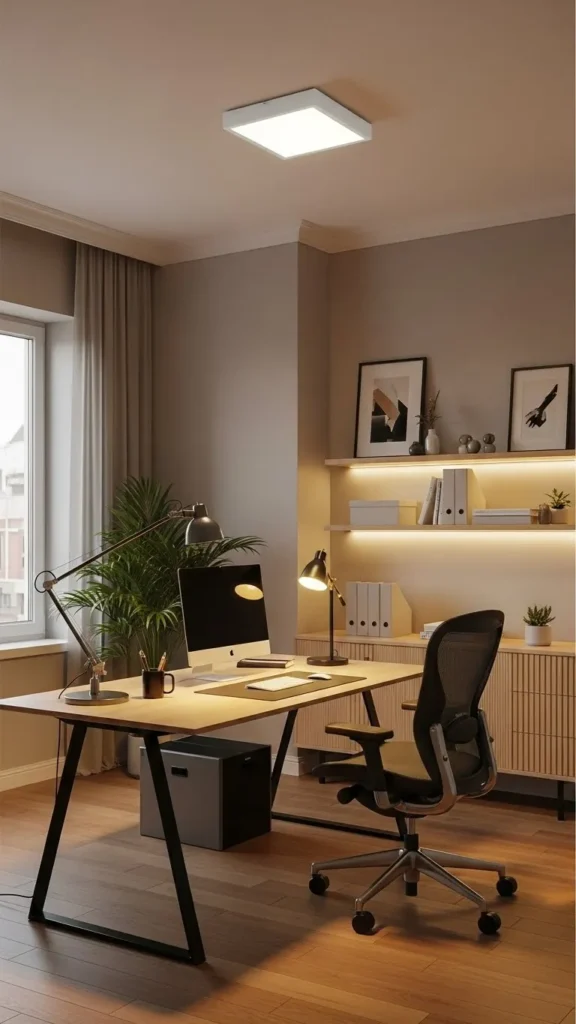
Effective lighting in office interior design involves layering different types of light. Overhead lighting provides general illumination, while task lighting focuses on your work surface.
A desk lamp with adjustable brightness can reduce eye strain, and warm ambient lighting can create a cozy and productive atmosphere. Layered lighting ensures the office remains functional and comfortable throughout the day and into the evening.
9. Keep Decor Minimal and Intentional
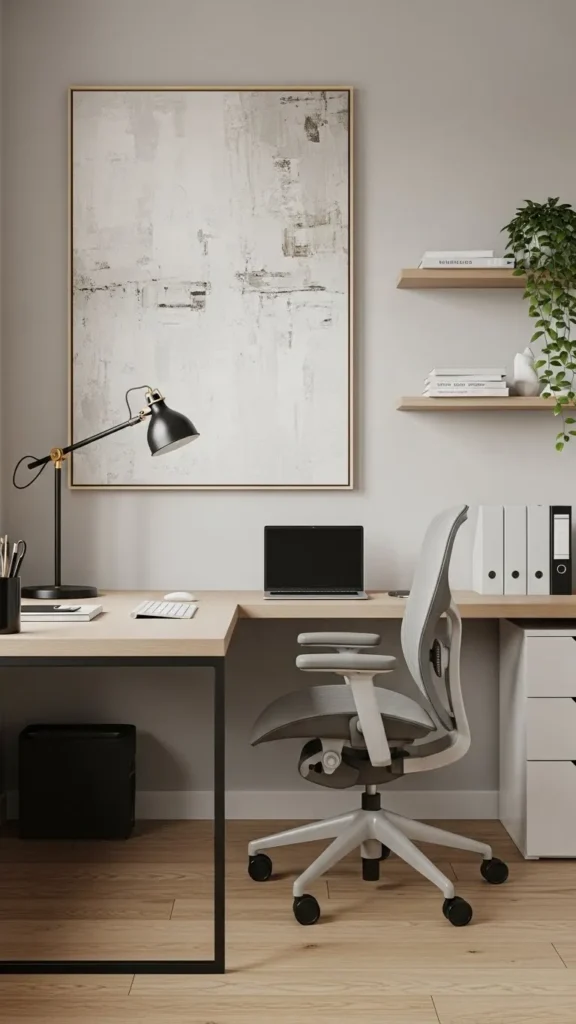
Minimal decor prevents distractions and helps maintain focus. Choose artwork, wall accents, or inspirational quotes that inspire without overwhelming the space.
For example, a single large abstract painting or a neatly framed motivational quote can add personality without creating visual clutter. Minimalism in office interior design enhances clarity, reduces stress, and allows essential elements to shine.
10. Use Accent Colors Strategically
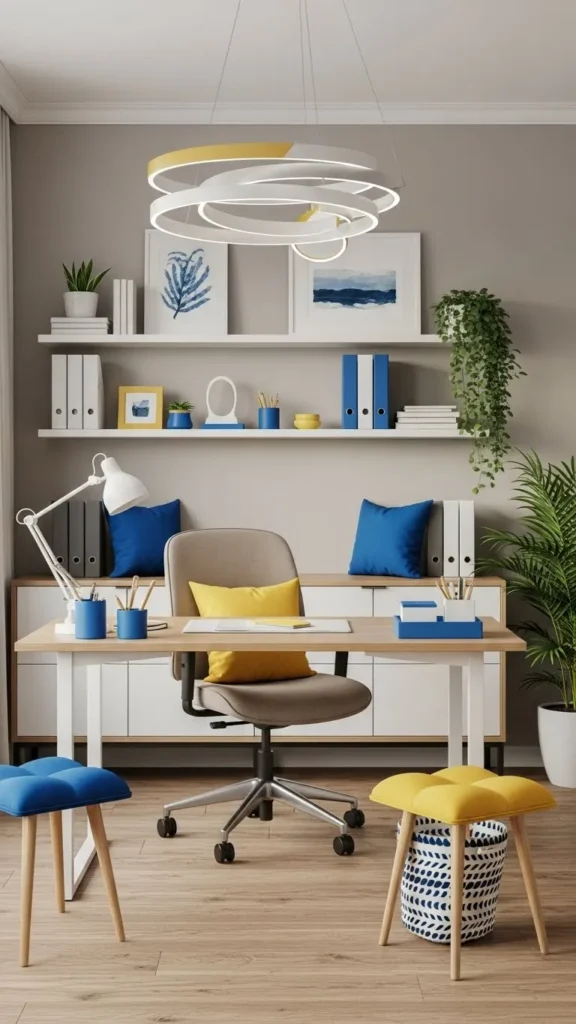
Accent colors can stimulate creativity and add energy to your office. Blue promotes focus, green balances and calms, while yellow can inspire creativity.
These accents can appear in chair cushions, desk accessories, wall art, or rugs. Strategic use of color enhances your workspace visually without overwhelming it. Office interior design with thoughtful color accents can improve mood and increase productivity naturally.
11. Optimize Desk Organization
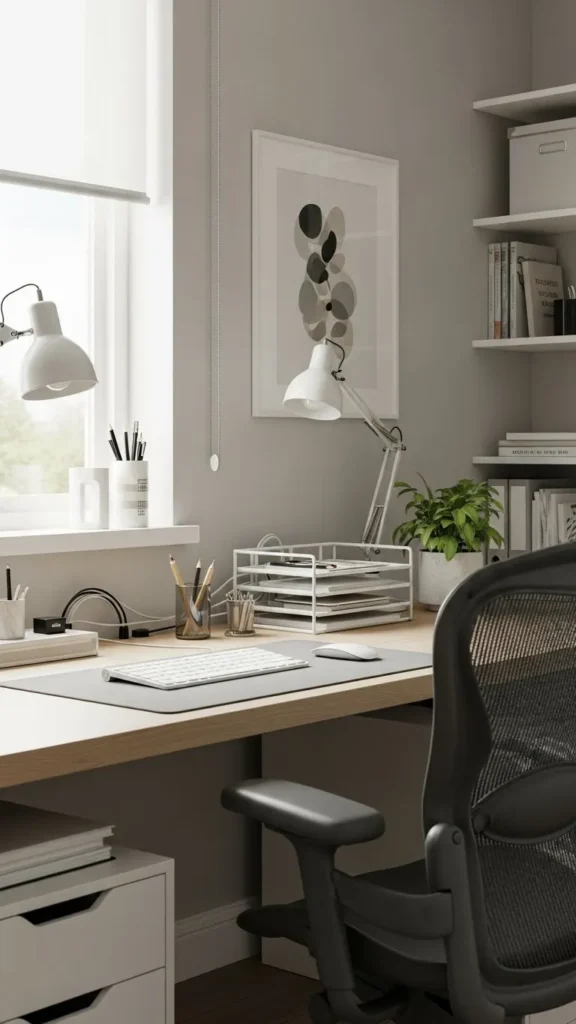
A cluttered desk slows you down and adds mental stress. Desk organizers, pen holders, trays, and cable management systems help maintain order.
For example, using drawer organizers for stationery or a monitor stand with built-in storage ensures everything has a place. Optimized desk organization keeps essentials within reach, reduces distractions, and makes your workflow smoother.
12. Plan for Technology Integration
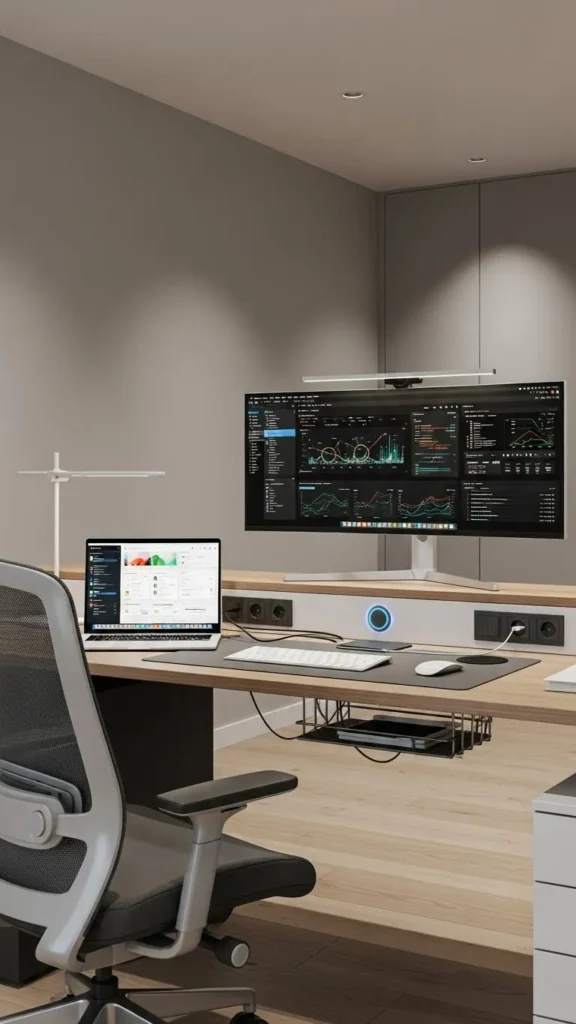
Modern offices rely heavily on technology. Ensure your office layout accommodates outlets, charging stations, and cable management solutions.
For instance, a built-in power strip under your desk or wireless charging pads keeps cables organized and prevents workflow interruptions. Technology-ready design reduces frustration and keeps the workspace efficient and functional.
13. Control Noise for Better Focus
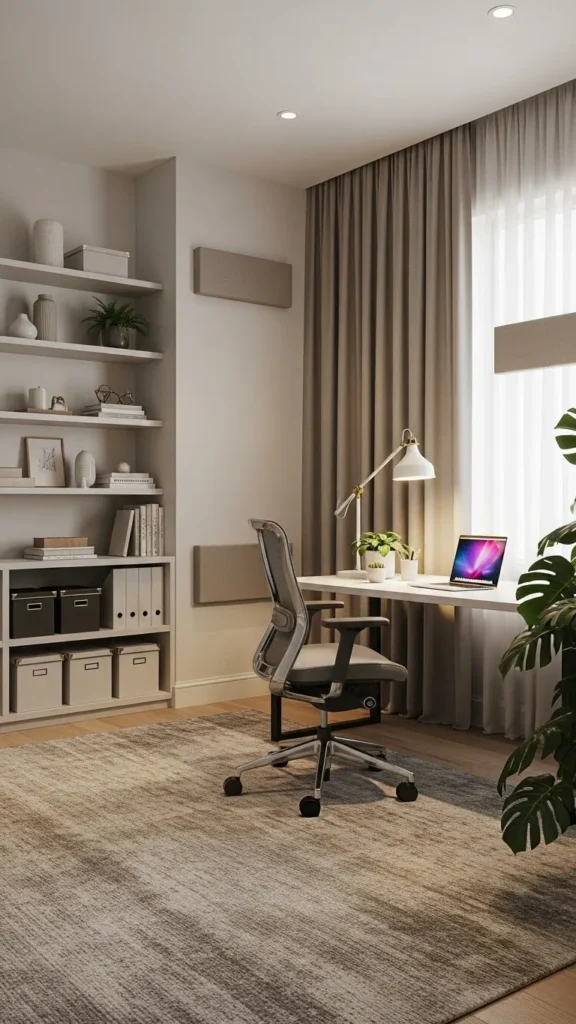
Noise can be a major distraction, especially in shared offices or home workspaces. Incorporate sound-absorbing elements like rugs, curtains, acoustic panels, or soft furnishings to reduce noise levels.
This creates a quieter environment where concentration is easier. Sound-conscious office interior design supports better focus, particularly for tasks that require deep thinking or creativity.
14. Include a Comfortable Seating Area
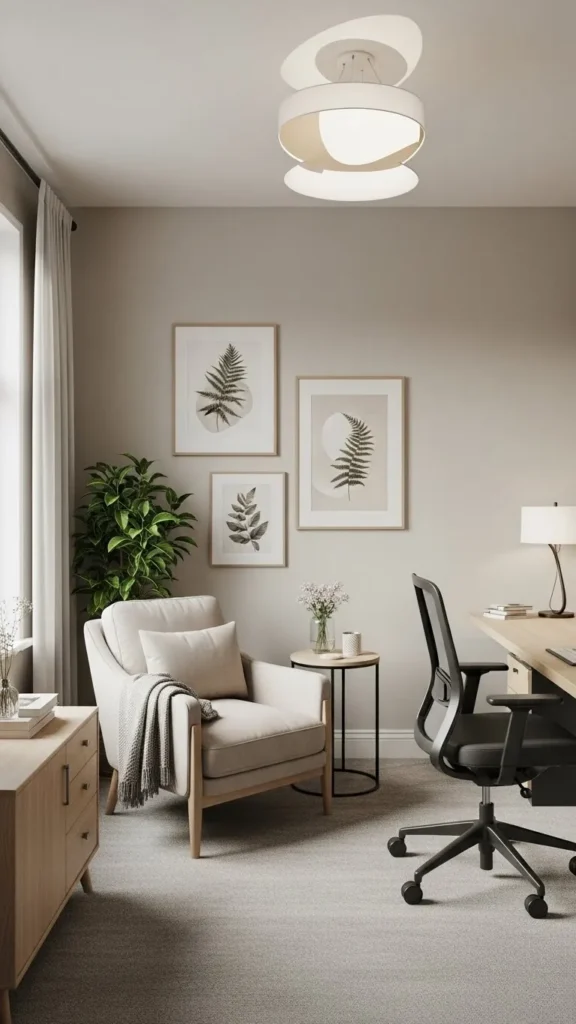
If your office space allows, create a small seating area for breaks, informal meetings, or brainstorming sessions.
For example, a cozy armchair with a small side table or a compact sofa adds flexibility and encourages movement. Breaks in a comfortable seating zone improve mental refreshment, creativity, and overall productivity.
📌 Save this post on Pinterest for later inspiration!
15. Utilize Wall Space Effectively
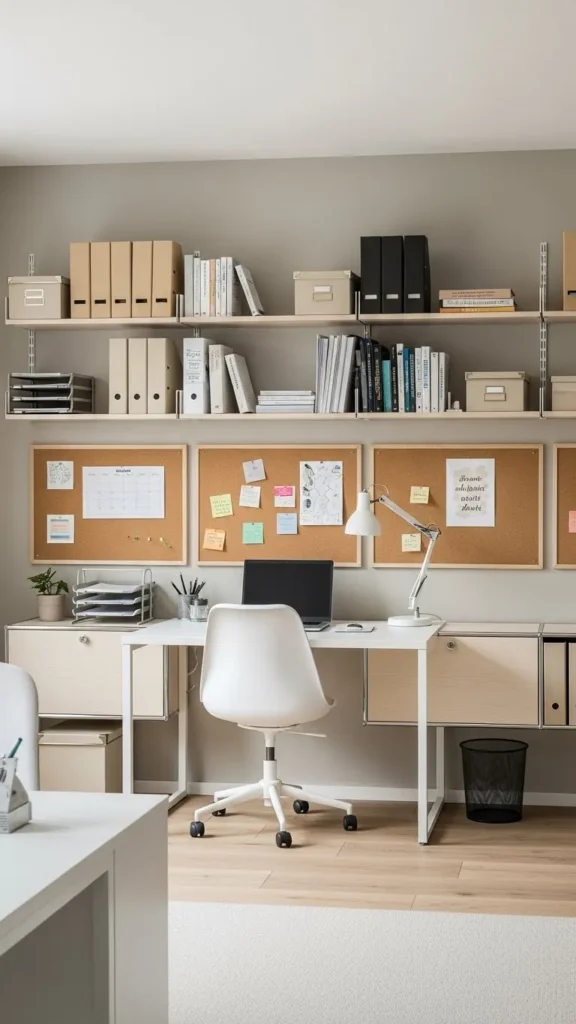
Walls can serve both functional and decorative purposes. Use wall-mounted shelves, pinboards, or planners to keep important items visible without cluttering desks.
This not only maximizes space but also keeps your workspace organized. Office interior design that uses wall space effectively improves workflow and frees up essential desk surfaces.
16. Maintain Clear Walkways

A well-organized office layout ensures open walkways and unobstructed paths.
Clear pathways reduce stress, prevent accidents, and make the office feel larger and more breathable. Maintaining proper flow is a subtle yet critical aspect of office interior design that supports comfort and productivity.
17. Add Personal Touches
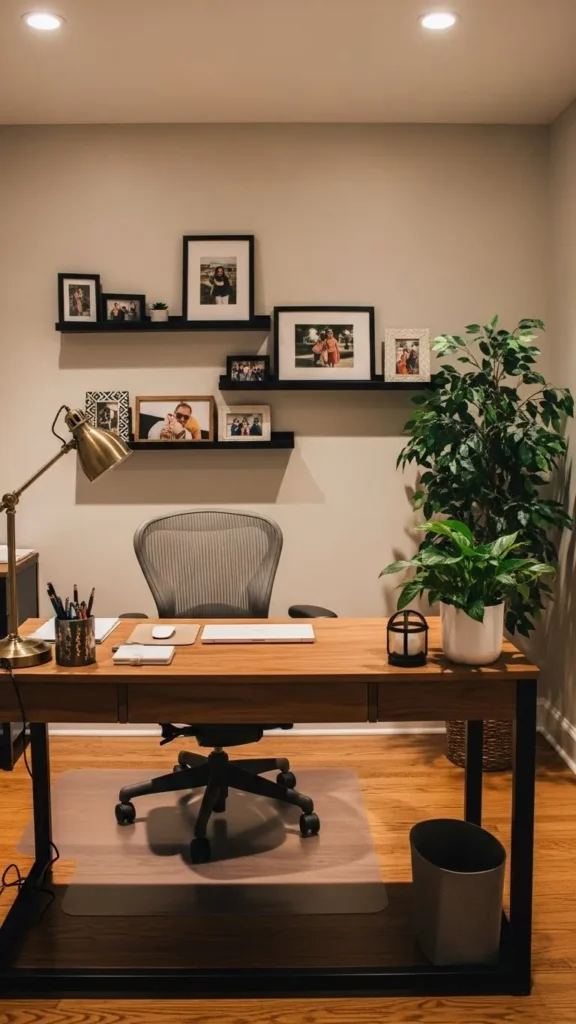
Personal items, such as framed photos, awards, or souvenirs, make the office feel welcoming.
When used sparingly, personal touches increase comfort and motivation without compromising professionalism. Thoughtful personalization encourages engagement and a positive work environment.
18. Choose Furniture Appropriate for the Space

Furniture size and proportion play a major role in office interior design. Oversized desks can overwhelm small offices, while tiny furniture in large rooms feels impractical.
Selecting furniture that fits the scale of your room ensures comfort and visual balance. Properly sized furniture makes the office functional, stylish, and welcoming.
19. Maintain a Consistent Design Theme

Consistency in colors, materials, and design style creates harmony in the workspace.
For example, pairing wood furniture with neutral walls and coordinating accents produces a cohesive look. A consistent office interior design reduces visual stress and improves overall focus.
20. Design Around Your Work Style
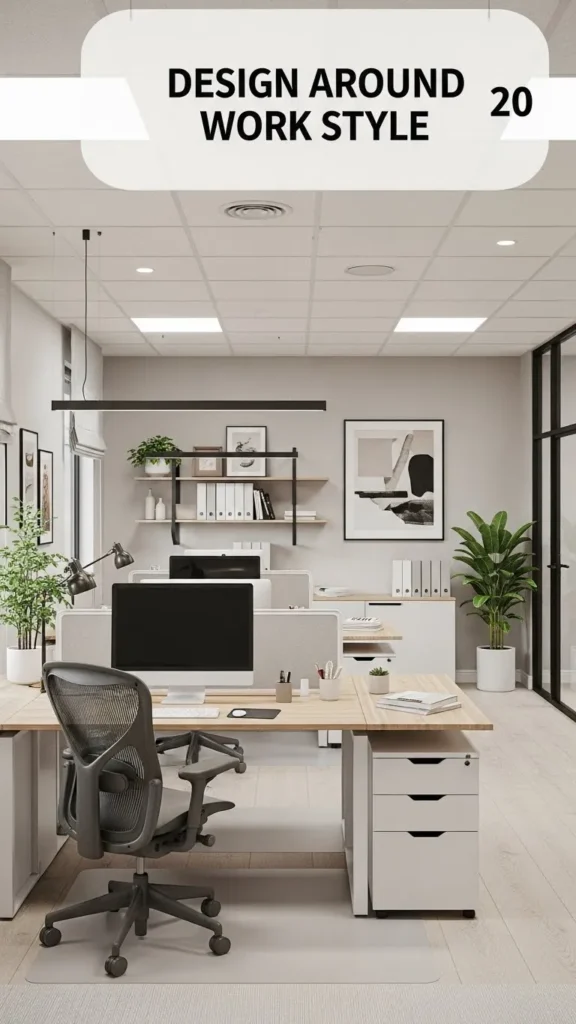
Finally, the most important office interior design principle is to adapt the space to how you work.
If you are creative, an open layout with flexible surfaces encourages collaboration and idea generation. Analytical professionals may benefit from quiet zones with ample storage. Designing around your workflow ensures maximum efficiency and long-term satisfaction.
📌 Save this post on Pinterest for later inspiration!