
20 Modern Victorian Bathroom Ideas That Celebrate Ornate Details
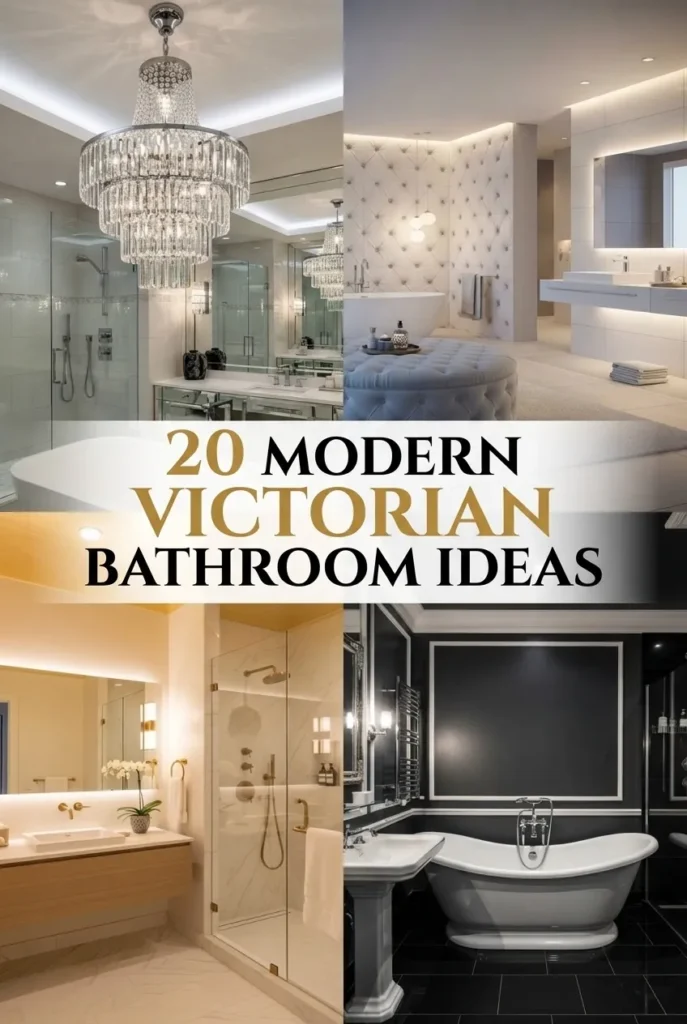
The modern Victorian bathroom is a sophisticated blend of two distinct worlds. It marries the grandeur, intricate details, and romance of the 19th century with the clean lines, functionality, and technology of contemporary design. Homeowners are increasingly moving away from the stark minimalism that dominated the last decade. They are instead embracing spaces that tell a story through texture, pattern, and historical reverence. This design evolution allows for a sanctuary that feels both regal and refreshing. By integrating ornate details like claw foot tubs and brass hardware with modern conveniences like heated floors and frame-less glass showers, you can create a bathroom that stands the test of time. This guide explores twenty unique ways to interpret this style, transforming a standard washroom into a space of vintage luxury and modern comfort.
1. Marble Majesty Retreat
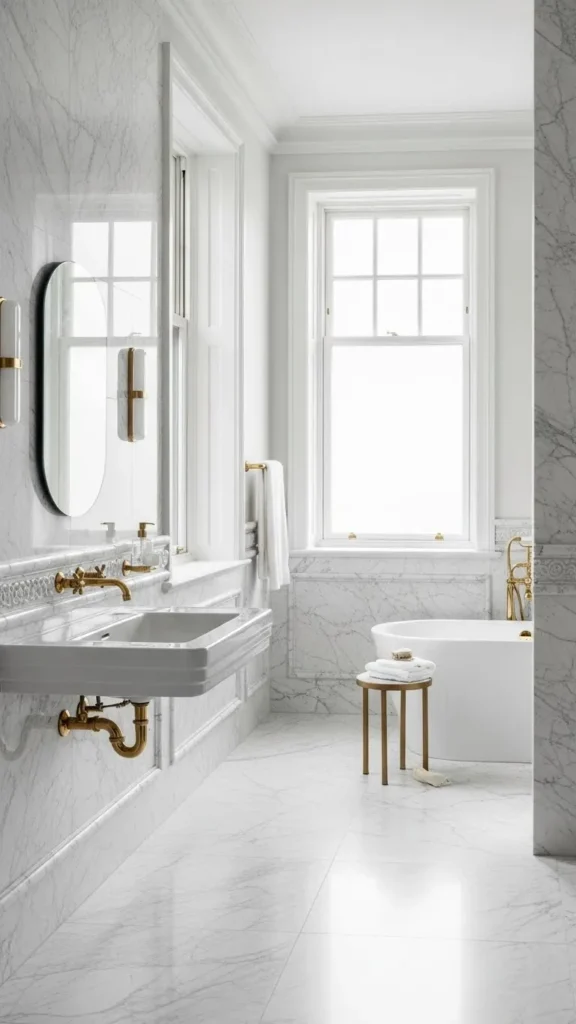
Nothing speaks to the Victorian era quite like the extensive use of natural stone. A Marble Majesty Retreat takes this classic material and applies it with a modern hand. Instead of small, disjointed tiles, consider using large format slabs of Calacatta or Carrara marble. These large slabs minimize grout lines, creating a seamless and expansive look that makes even smaller bathrooms feel like grand halls.
To keep this from looking too sterile, introduce Victorian details through the architectural elements. Install high wainscoting made of marble with a decorative chair rail. Pair the cool white and grey tones of the stone with warm, unlacquered brass plumbing fixtures. The brass will patina over time, adding a layer of historical authenticity to the pristine marble backdrop. This combination creates a space that feels hygienic yet deeply historical, offering a spa experience rooted in old world luxury.
2. Baroque Modern Haven
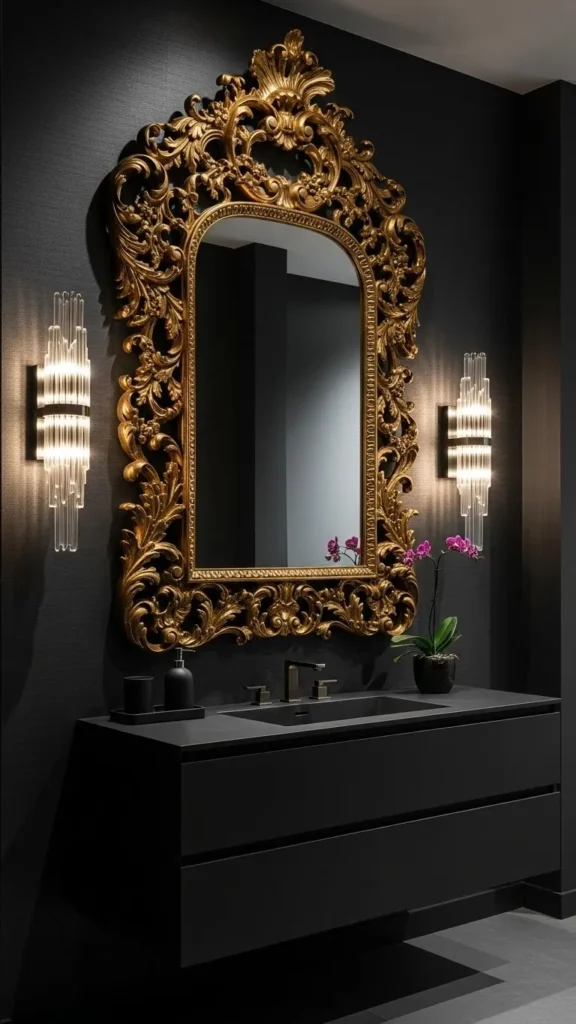
The Baroque style is known for its drama, movement, and intensity. In a Baroque Modern Haven, the goal is to introduce theatrical elements without overwhelming the senses. Start with a statement mirror. Look for a frame that is heavily carved, perhaps in a gilded gold or a deep glossy black, featuring scrolls and floral motifs. This mirror becomes the art piece of the room.
Balance this heavy ornamentation with sleek, modern vanity cabinetry. A floating vanity in a matte finish provides a visual break from the ornate mirror above it. Use dramatic lighting, such as wall sconces with crystal drops or intricate metalwork, to cast shadows that highlight the curves of the room. This style is about contrast. It places the hyper detailed against the smooth and simple, allowing the ornate elements to truly pop.
📌 Save this post on Pinterest for later inspiration!
3. Rococo Refresh
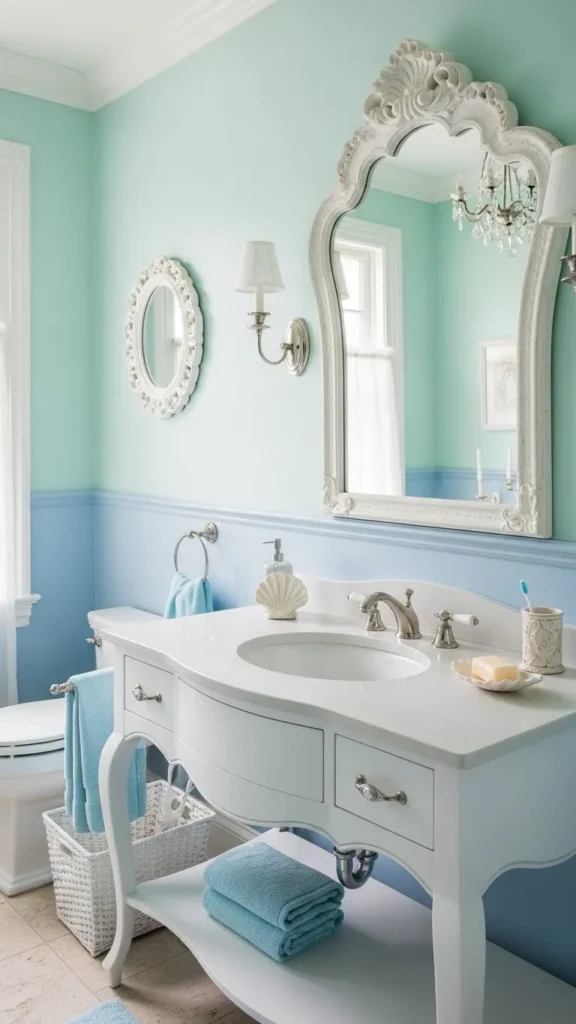
Rococo is the lighter, more playful cousin of Baroque, characterized by pastel colors, asymmetry, and shell like curves. A Rococo Refresh brings a sense of whimsy and femininity to the bathroom. Start with a color palette of soft mint, pale pink, or powder blue. These colors can be applied through waterproof plaster walls or high quality ceramic tiles.
Furniture selection is key here. A vanity with curved, cabriole legs mimics the furniture styles of the mid 18th century. To modernize this, top the vanity with a crisp, white quartz countertop and under mount sink. Add accessories that feature shell motifs, such as a soap dish or towel hooks, to pay homage to the Rocaille style. This approach creates a bathroom that feels light, airy, and incredibly elegant.
4. Gilded Grace Spa
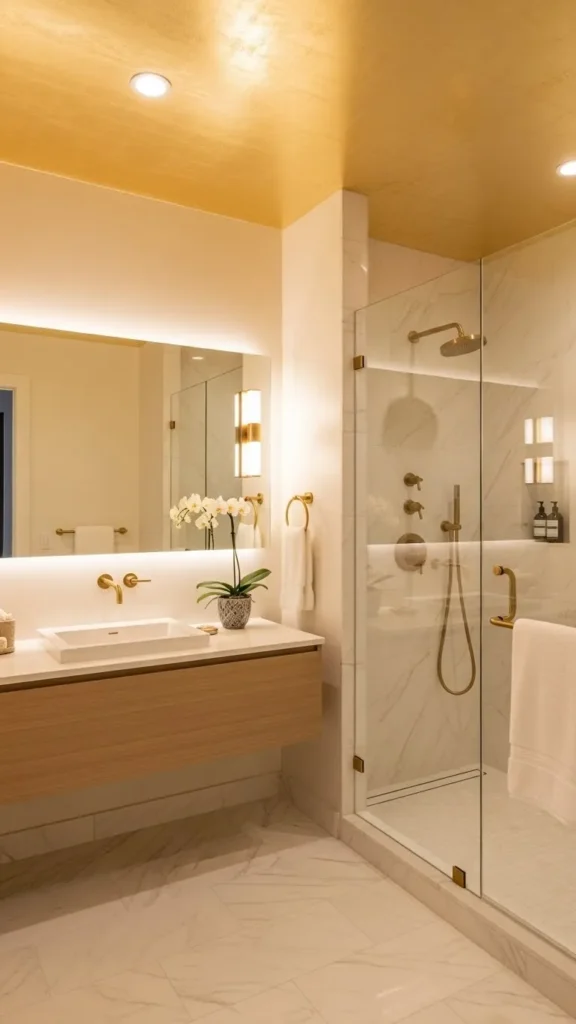
Gold was a symbol of wealth and status in the Victorian age. The Gilded Grace Spa focuses on the use of gold and brass accents to create a warm, glowing atmosphere. The secret to doing this successfully in a modern context is to choose a specific finish. Brushed gold or satin brass is preferred over the shiny, yellow gold of the 1980s.
Apply this finish to all your hardware, including faucets, shower heads, cabinet pulls, and even the hinges on the door. To prevent the room from looking gaudy, keep the walls and floors neutral. A creamy white or a soft greige provides the perfect canvas for the metallic accents to shine. You might also consider a gold leaf treatment on the ceiling to cast a warm, flattering light throughout the room when the overhead fixtures are on.
5. Mosaic Marvel Oasis
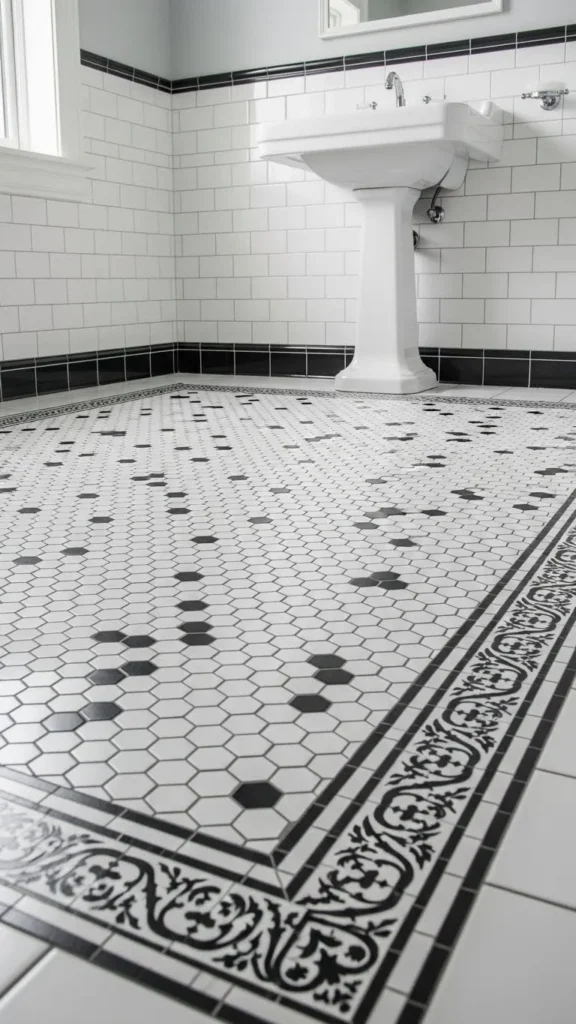
Victorian entryways and bathrooms were famous for their intricate tile floors. The Mosaic Marvel Oasis revives this tradition with a contemporary twist. intricate black and white hexagon tiles or penny tiles can be used to create custom patterns, borders, or even written messages within the floor.
While the floor serves as the focal point, the rest of the room should remain relatively quiet to avoid visual clutter. Use simple subway tiles on the walls, perhaps with a darker grout to tie in with the floor. A pedestal sink is a perfect choice here as its small footprint exposes more of the beautiful mosaic work underneath. This style celebrates the craftsmanship of the tiler and adds a bespoke element to your home.
6. Noir Victorian Chic

For those who prefer a moodier aesthetic, the Noir Victorian Chic theme embraces the darker side of the era. This style utilises a palette of charcoal, slate, and matte black. Painting the walls and even the ceiling in a dark hue blurs the boundaries of the room, often making it feel larger and more intimate.
To keep it Victorian, ensure there are traditional architectural details present, such as crown moulding or picture rails, painted in the same dark tone as the walls. Contrast is achieved through texture and fixture finish. Polished chrome or nickel fixtures sparkle against the dark background, looking like jewellery on a black dress. A freestanding white tub acts as a sculptural element, breaking up the darkness and inviting relaxation.
7. Orchid Opulence Ensuite
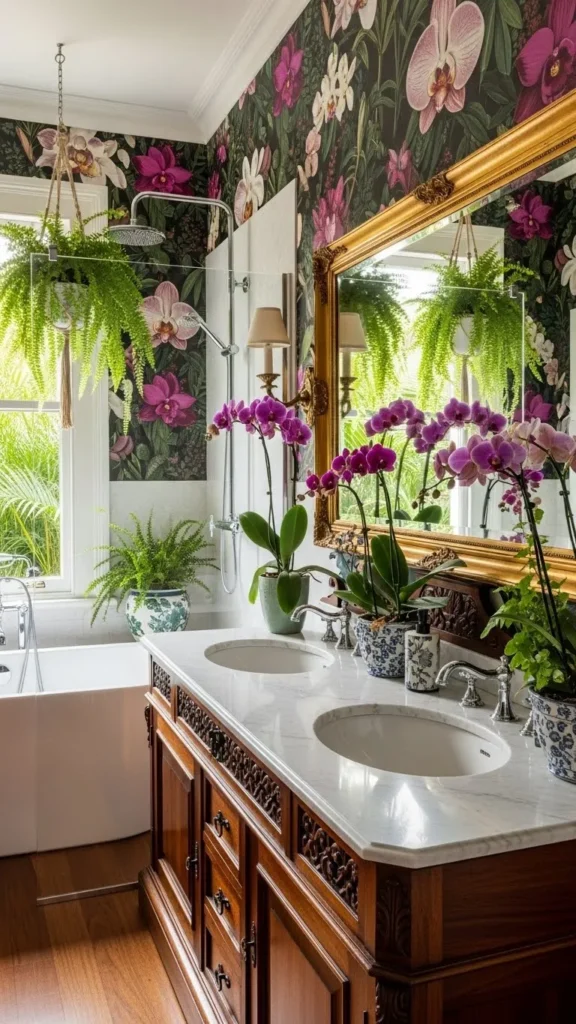
The Victorians were obsessed with botany and exotic flowers. The Orchid Opulence Ensuite brings the greenhouse into the bathroom. This can be achieved through the use of bold, floral wallpaper. Modern wallpapers are moisture resistant and come in large scale prints that feel more like murals than repeating patterns.
Choose a print that features lush greenery and vibrant orchids. To complement the walls, use natural materials for the vanity and storage. deeply stained walnut or mahogany adds warmth and grounds the busy pattern of the wallpaper. Live plants are a must in this design. Ferns and orchids thrive in the humid environment of a bathroom, adding a literal breath of fresh air to the space.
📌 Save this post on Pinterest for later inspiration!
8. Minimalist Gothic Charm
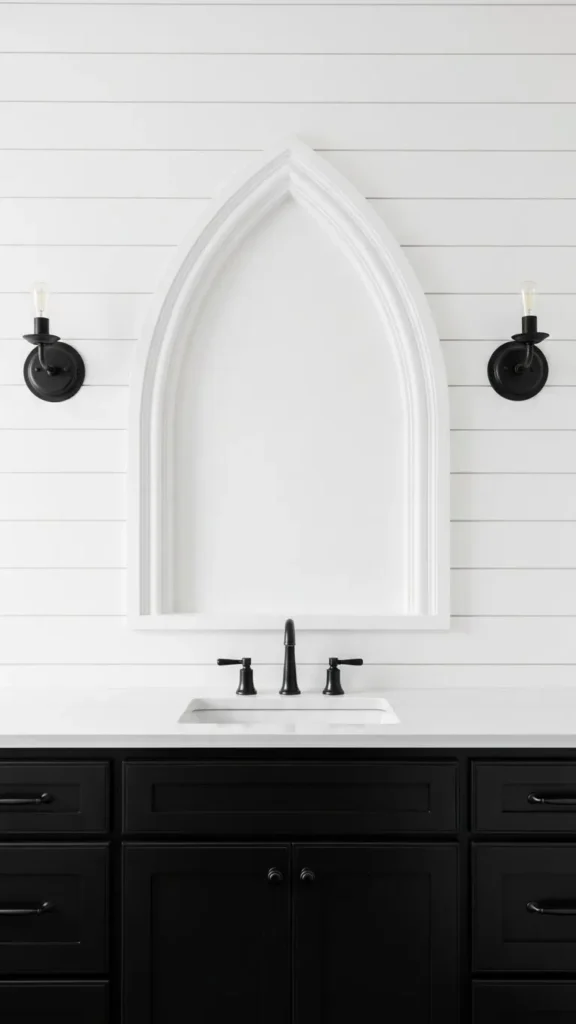
Gothic Revival was a major movement during the Victorian era, characterized by pointed arches and intricate tracery. Minimalist Gothic Charm strips away the heaviness of the original style while keeping the iconic shapes. Look for mirrors or recessed storage niches that feature the classic pointed arch shape.
Keep the color palette stark and high contrast. Black and white is the standard here. A black vanity against a white shiplap wall creates a striking visual. Iron hardware and light fixtures with candelabra bulbs reinforce the castle like vibe without making the room feel like a dungeon. This style is perfect for those who love history but prefer a cleaner, less cluttered environment.
9. Lace Detail Vanity

Lace was a staple textile in Victorian fashion and home decor. The Lace Detail Vanity theme translates this delicate texture into hard surfaces. You can find laser cut metal screens that mimic lace patterns, which can be used as cabinet door inserts. This adds ventilation for linens and visual interest.
Another way to incorporate this is through etched glass on shower doors or windows. The frosted pattern provides privacy while allowing light to filter through. Keep the surrounding tile work simple to let the intricate patterns stand out. Soft, diffused lighting helps to enhance the delicate nature of the “lace” elements, creating a soft and romantic atmosphere.
10. Crystal Luxe Focal Point
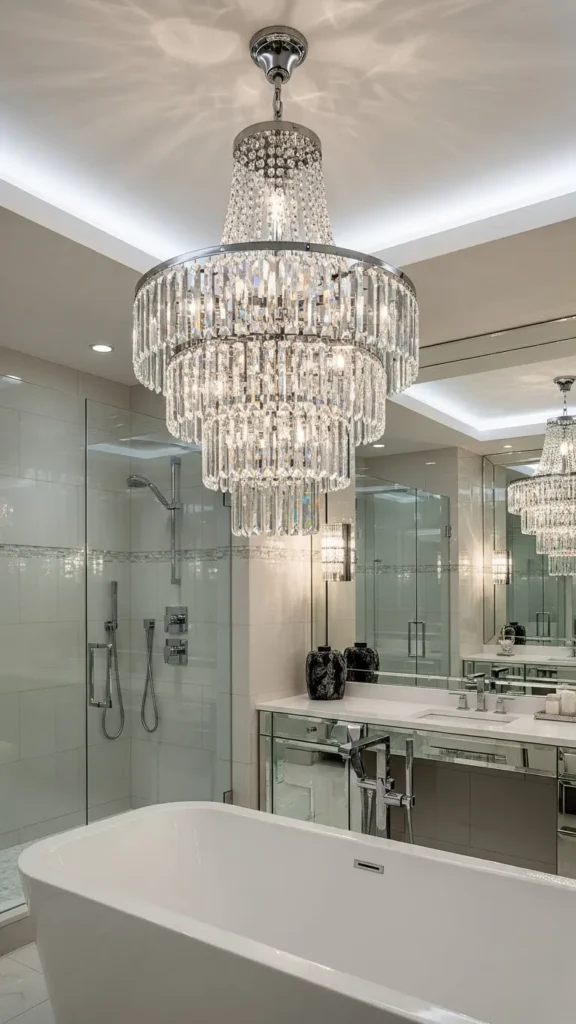
Lighting in a Victorian home was an opportunity to display wealth. The Crystal Luxe Focal Point centers the bathroom design around a magnificent chandelier. In a modern bathroom, this fixture should be damp rated for safety. Placing a chandelier directly over a freestanding bathtub creates an immediate focal point and a sense of unparalleled luxury.
To balance the grandeur of the crystal, keep the rest of the room sleek. A glass enclosed shower and a simple, floating vanity ensure that the eye remains drawn to the lighting. Reflective surfaces, such as a large vanity mirror or glossy wall tiles, help to bounce the light from the crystals around the room, making the space sparkle.
11. Royal Purple Refined
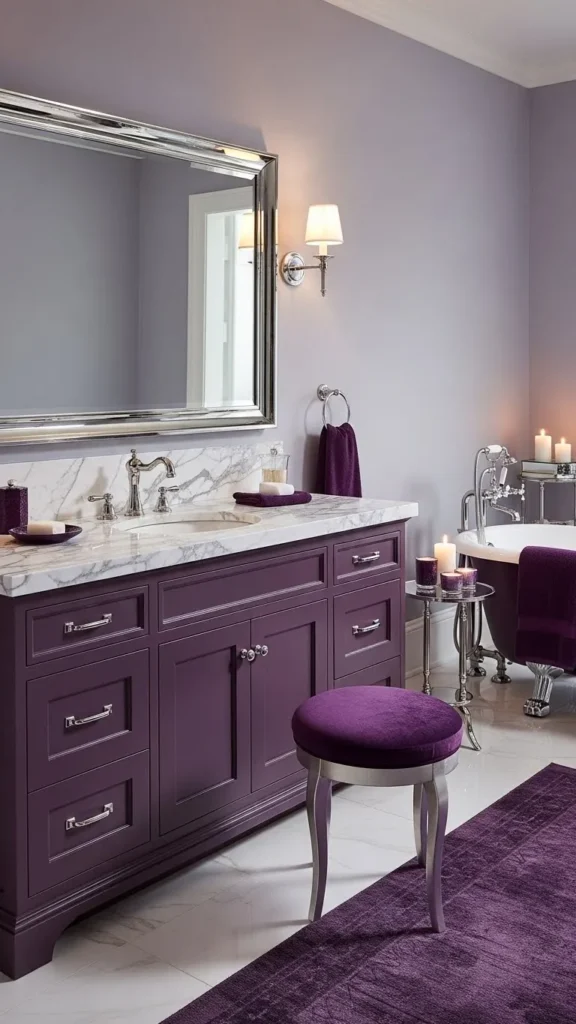
Purple has long been associated with royalty and was a popular color in the late Victorian period. Royal Purple Refined uses shades of plum, aubergine, or violet to create a regal sanctuary. This bold color works best as a vanity cabinet color or on a feature wall.
Pair this rich hue with silver or chrome fixtures to cool down the warmth of the purple. White marble countertops with heavy grey veining also complement this color scheme beautifully. To add to the regal feel, consider including a small velvet upholstered stool or bench. This adds a texture of softness and luxury that is rarely found in the hard surfaces of a bathroom.
12. Velvet Vanity Charm

Speaking of texture, the Velvet Vanity Charm focuses on bringing soft, tactile elements into the bathroom. While velvet cannot be used in wet zones, it can be utilized effectively in a dressing area within the bathroom. A vanity chair upholstered in a crushed velvet brings a sense of vintage glamour.
Combine this with heavy, velvet drapery on the window. Ensure the curtains are lined to protect them from moisture. The juxtaposition of soft velvet against cold ceramic tile and hard porcelain creates a dynamic sensory experience. Stick to jewel tones like emerald green or sapphire blue to maintain the Victorian aesthetic.
13. Silken Serenity Space

Silk was another prized fabric of the era. The Silken Serenity Space tries to replicate the sheen and smoothness of silk through hard materials. Look for tiles that have a “satin” or semi gloss finish. When light hits them, they should have a soft glow rather than a harsh reflection.
Pearl or champagne colored paints with a satin finish can give the walls a silken appearance. For the hardware, brushed nickel offers a soft, silver tone that complements this palette. This design is all about subtlety and tranquility. It creates a calming, monochrome environment that feels expensive and soothing.
14. Brocade Elegance Bath
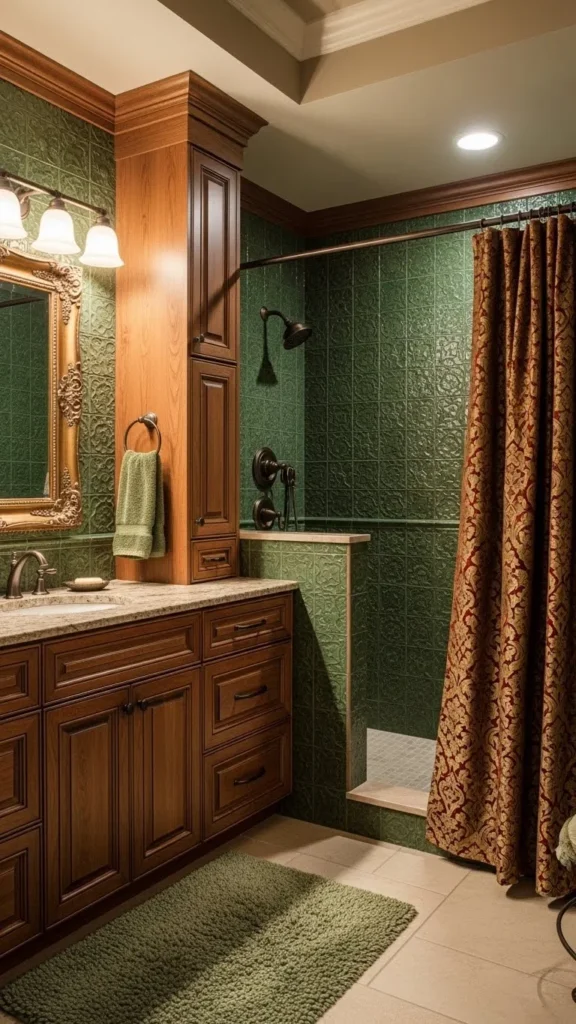
Brocade is a rich, decorative woven fabric with a raised design. To achieve Brocade Elegance in a bathroom, look for textured tiles that mimic this weave. There are ceramic tiles available that have raised floral or damask patterns pressed into them. Using these tiles in a shower niche or as a backsplash adds incredible depth.
If textured tile is too permanent, a high quality shower curtain in a heavy brocade fabric can achieve the same effect. Pair this with heavy, substantial cabinetry with raised panel doors. The aim is to create a room that feels woven and layered, providing a cozy and enclosed feeling.
📌 Save this post on Pinterest for later inspiration!
15. Azure Aristocrat Bath

Blue and white porcelain was a collector’s item in the Victorian era. The Azure Aristocrat Bath takes inspiration from Chinoiserie patterns and delftware. Use a wallpaper or tile pattern that features complex blue designs on a white background.
To modernize this, pair it with crisp white wainscoting and polished brass fixtures. The combination of blue, white, and gold is timeless and fresh. A vintage style blue vanity can serve as the anchor for the room. This style feels nautical yet aristocratic, perfect for a bright and happy bathroom space.
16. Tufted Tranquility
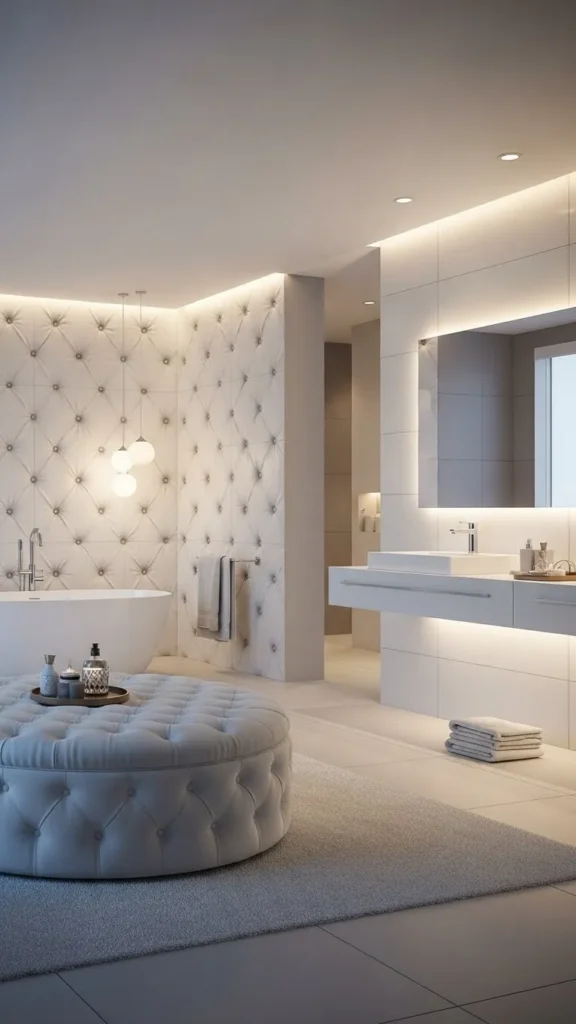
Tufting is a classic upholstery technique used on Victorian sofas and chairs. Tufted Tranquility brings this look into the bathroom through innovative materials. Some tile manufacturers produce ceramic tiles that look like tufted leather or fabric, complete with a “button” in the center.
Using this on the side of a built in bathtub or as a feature wall behind the vanity creates a surreal and luxurious effect. If you prefer a softer approach, a large, tufted ottoman placed in the center of the room (space permitting) adds a true lounge feel. This invites you to linger in the space, turning a functional room into a living area.
17. Satin Soak Sanctuary

The centerpiece of many Victorian bathrooms is the tub. The Satin Soak Sanctuary focuses on the finish of the bathtub itself. Instead of the standard glossy white acrylic, opt for a tub with a matte or satin finish. This stone resin material feels warm to the touch and looks incredibly sophisticated.
Pair this matte tub with a floor mounted tub filler in a vintage style, complete with a hand shower. The contrast between the modern, matte material of the tub and the antique shape of the faucet perfectly encapsulates the modern Victorian ethos. Keep the surroundings simple to let the tub be the star.
18. Damask Delight Washroom
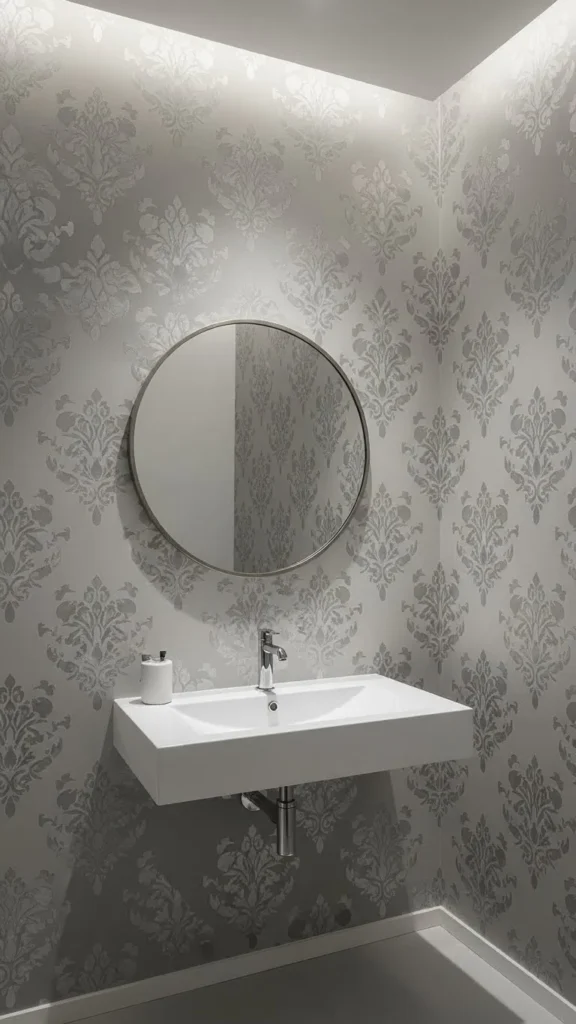
Damask is a reversible figured fabric of silk, wool, linen, cotton, or synthetic fibers, with a pattern formed by weaving. Damask Delight uses this pattern as a stencil for walls or floors. A large scale damask stencil painted in a gloss finish over a matte wall of the same color creates a subtle, sophisticated effect.
This tone on tone approach is very modern. It gives the impression of texture without the visual noise of high contrast colors. It works exceptionally well in powder rooms or smaller bathrooms where you want to make a design statement without overwhelming the guest.
19. Pewter Plush Parlor
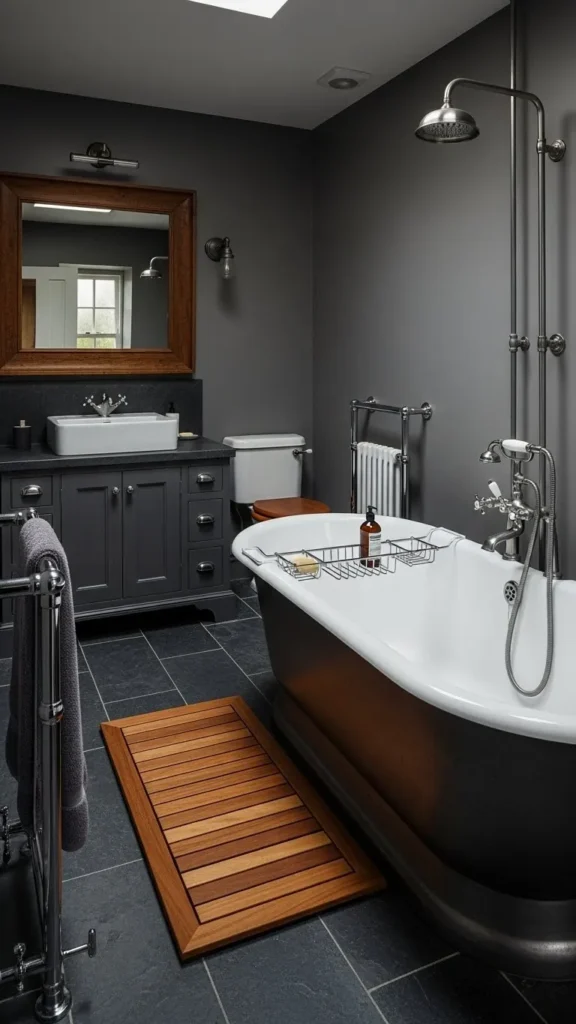
While gold and brass are common, pewter was a workhorse metal of the 19th century. A Pewter Plush Parlor uses this darker, more muted metal for a masculine and industrial take on Victorian style. Pewter fixtures have a depth and warmth that chrome lacks.
Pair pewter hardware with slate floors and grey cabinetry. This creates a monochromatic look that is very on trend. To add warmth, introduce wood elements, such as a teak shower mat or a wooden frame mirror. The result is a bathroom that feels solid, historic, and incredibly grounded.
20. Rocaille Revival
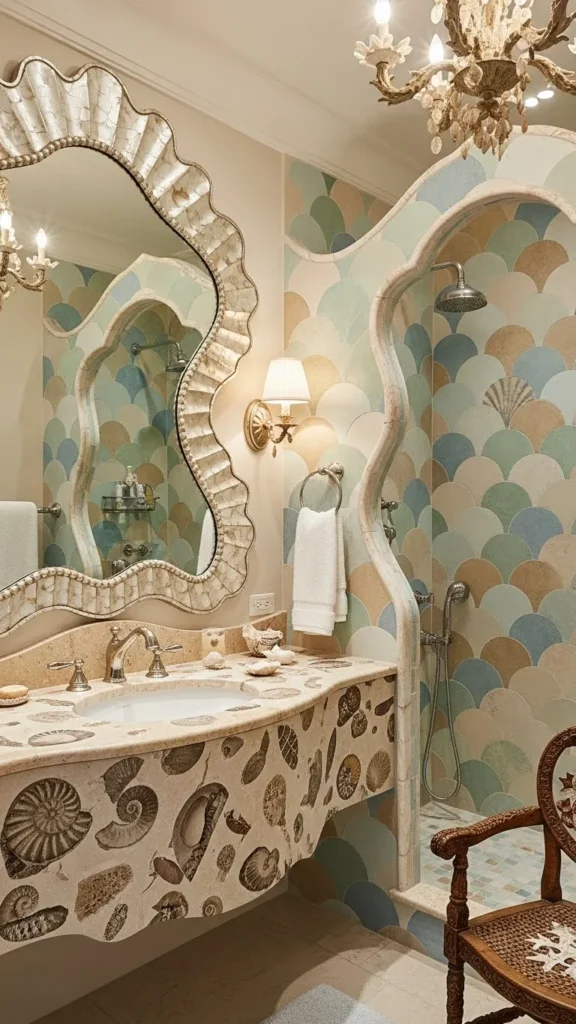
Rocaille refers to the rock and shell motifs that influenced the Rococo movement. A Rocaille Revival bathroom uses natural, organic shapes. Look for a mirror that isn’t a perfect rectangle but has an organic, wavy edge.
Incorporate natural stone with visible fossils or shells in the vanity top or flooring. scallop shaped tiles are a perfect way to bring this motif into the shower area. The lighting should be soft and organic, perhaps avoiding harsh geometric lines. This style connects the Victorian love of nature with the modern desire for organic, flowing interiors.
Conclusion
By carefully selecting elements from these twenty ideas, you can curate a bathroom that honors the past while fully embracing the present. The Modern Victorian style is not about replicating a museum exhibit. It is about capturing the essence of luxury, detail, and craftsmanship that defined an era and applying it to the way we live today. Whether you choose the drama of a Baroque mirror or the subtlety of a satin finish tub, the result will be a space that is uniquely yours and timelessly beautiful.
📌 Save this post on Pinterest for later inspiration!